Factors Shaping Laguna Beach Ocean View Pricing
December 4, 2025
December 4, 2025
If you are comparing two Laguna Beach homes that seem similar except for the ocean view, the price gap can feel mysterious. You want to know what you are really paying for, how stable that value is, and how to price or bid with confidence. In this guide, you will learn the specific factors that drive ocean‑view premiums in Laguna Beach and how to evaluate them like a pro. Let’s dive in.
Laguna Beach is defined by dramatic hills, bluffs, and a limited coastal footprint. That mix creates real scarcity for homes with strong ocean exposure. When supply is tight and demand is high, views get priced as a distinct amenity, similar to lot size or bedroom count.
Industry reports and appraisers often see view premiums that range from single‑digit percentages to 30 percent or more. The exact premium depends on view quality, permanence, location, and risk. In Laguna’s coastal market, small differences in those details can shift value in a big way.
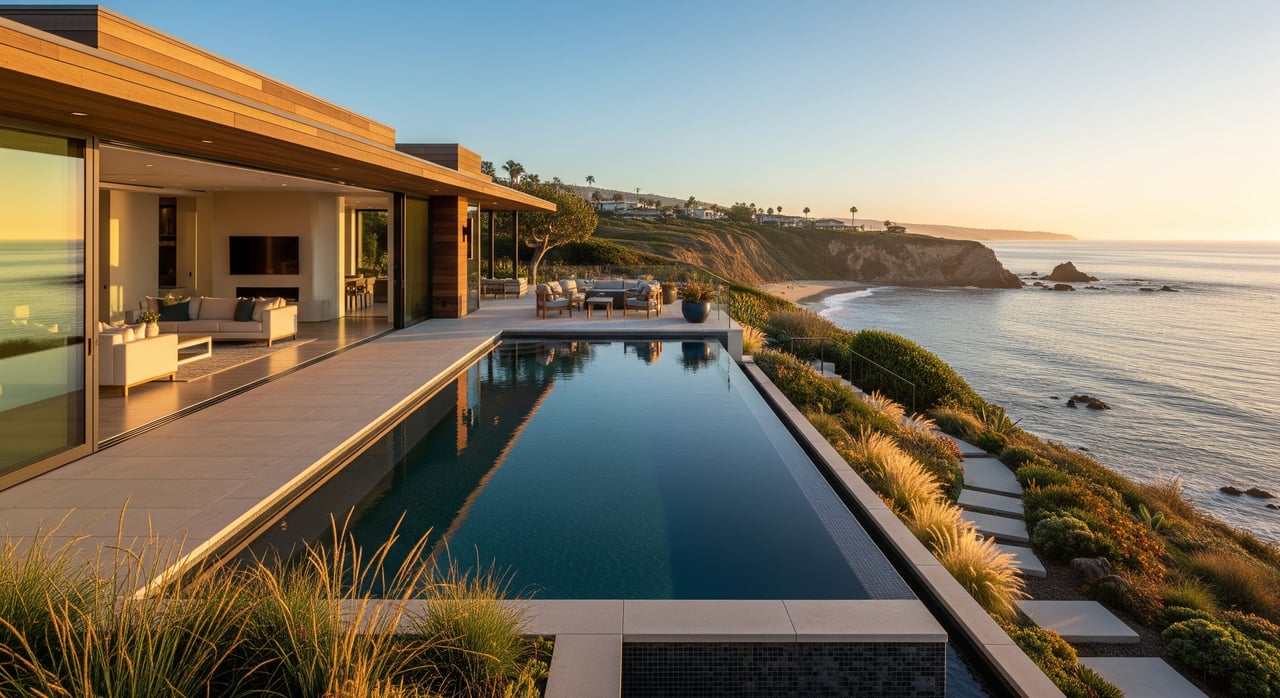
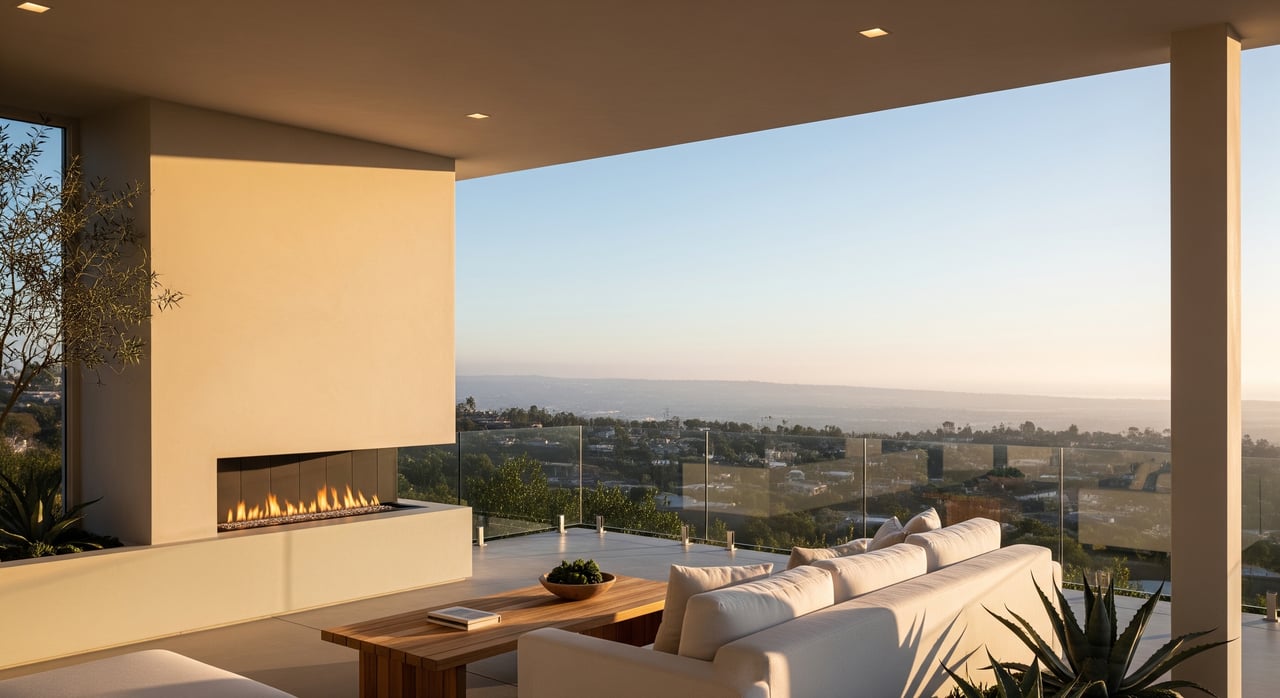
A broad, unobstructed horizon usually commands the highest premium. A partial, wedge, or peekaboo view trades at a lower level because the visible ocean area is smaller and less immersive. Buyers also weigh how much of the view they can enjoy from primary living areas.
Open ocean, coastline, surf and beach scenes, or rare cove and harbor vistas each read differently. Cove or private bay views can carry extra value because they are scarce and picturesque. West or southwest orientation that captures sunsets often adds emotional pull and market demand.
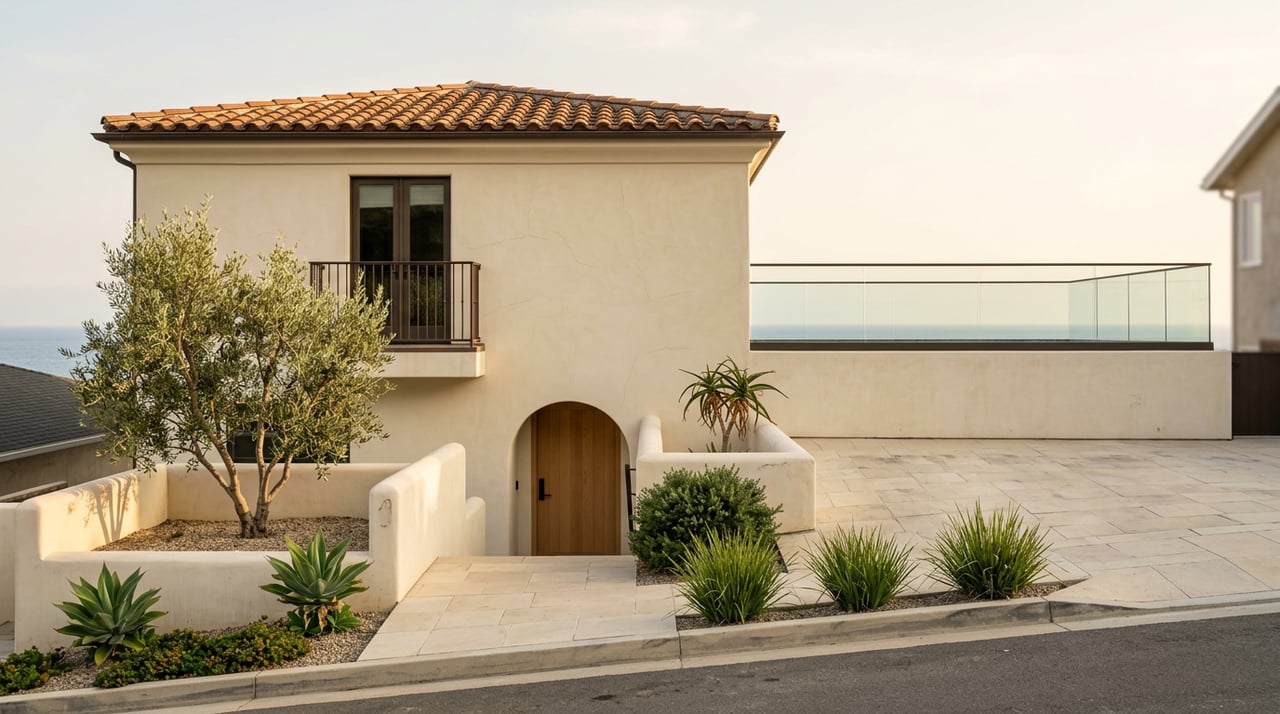
Bluff‑top or ridge positions that deliver a high vertical angle tend to price stronger than low‑angle or street‑level views. Elevated vantage points offer scale and depth that many buyers seek. Privacy from foot traffic or beach activity can also influence perceived quality.
A beautiful view is worth more when it is likely to last. Topography that prevents future blockage, public park buffers, and legally protected corridors support permanence. If the view could be obstructed by future construction, the premium usually softens.
Features that help preserve a view include steep downhill lots toward the ocean, verified height limits on adjacent parcels, and public land between the home and the water. In some cases, view corridors or easements exist, but these are not common and should be verified.
Nearby vacant or underbuilt lots, flexible zoning, or unclear setback rules can introduce risk. If neighboring properties can build higher within local guidelines, future changes may reduce your outlook. Uncertain conditions cut into the premium you should pay.
Ask for documentation of height restrictions and any recorded easements. Review recent permits and pending applications on nearby parcels. Consider a site visit at different times of day to observe angles, sun path, and potential future blockage.
Distance to the beach matters in daily life and resale value. Immediate access or a short walk to the sand often strengthens demand. Quick routes to downtown, Main Beach, and Heisler Park can add convenience that supports pricing.
Elevated areas like Top of the World are known for broad ocean vistas tied to their terrain. Gated or cove‑adjacent communities, including places like Emerald Bay, create different buyer expectations and price bands. Match the neighborhood profile to your lifestyle and risk tolerance.
Corner lots and homes designed with primary living spaces facing the water tend to capture more of the view. Wider frontage, thoughtful window placement, and clean sightlines from kitchen and great room can lift value.
Homes that bring the view into everyday living carry stronger appeal. Look for aligned sightlines from key rooms, floor‑to‑ceiling glass used strategically, and layouts that minimize interior obstructions. These details help the view feel constant rather than occasional.
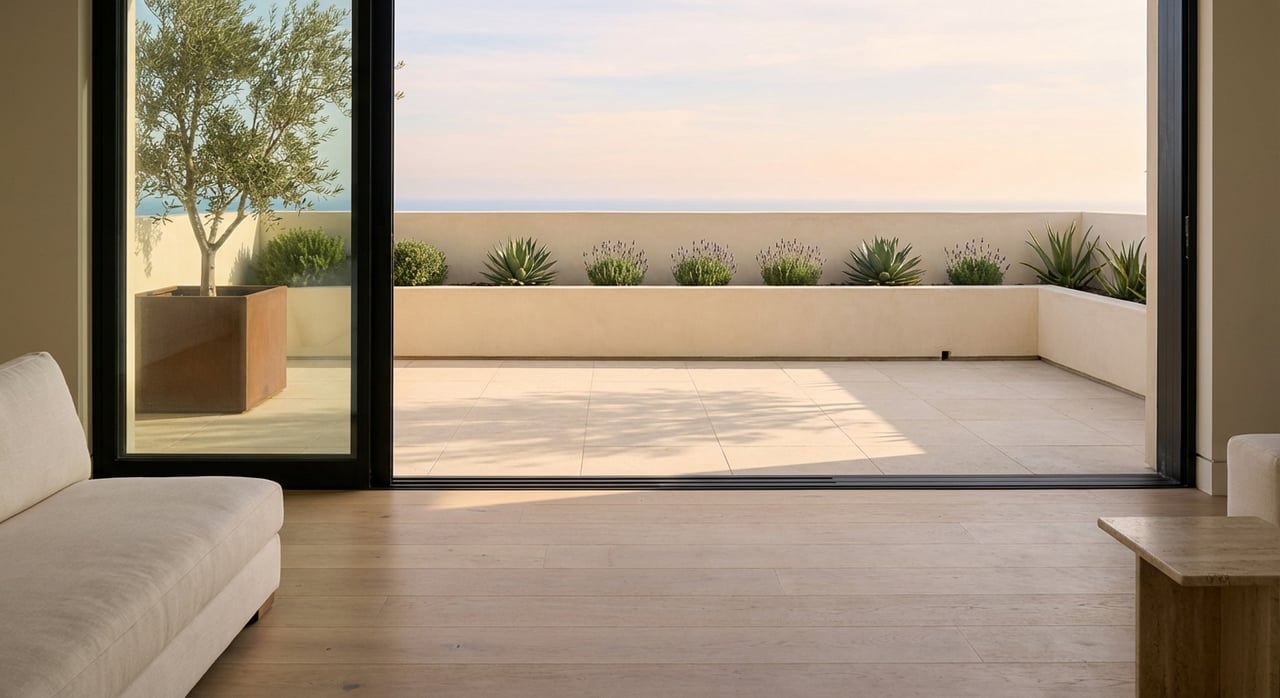
Usable terraces, decks, and rooftop spaces extend the experience. Well‑placed seating areas and wind protection make the view more enjoyable throughout the year. Quality railings and low‑profile landscaping preserve sightlines without sacrificing comfort.
Homes near busy beaches or popular parks can offer lively scenes with less privacy. Some buyers love the energy while others prefer quiet outlooks. Be clear on your preference so you do not overpay for attributes you may not use.
Coastal development in Laguna Beach involves layers of review that shape value. The California Coastal Commission and the local coastal program influence height, setbacks, and design. These rules can protect views by limiting tall redevelopment while also constraining future changes to your own home.
Coastal hazards like bluff erosion, storm surge, and sea‑level rise factor into pricing and carrying costs. Bluff‑edge and low‑lying properties may face specialized maintenance or engineering. Insurance availability and premiums for homeowners, flood, and earthquake coverage affect affordability and buyer demand.
Laguna Beach has a limited supply of ocean‑view homes and steady interest from lifestyle‑driven buyers, including second‑home purchasers. Scarcity, strict permitting, and strong leisure demand keep competition high for quality views. Seasonal patterns and local events can also influence short‑term buyer activity.
Professionals start with recent sales that mirror your view’s quality and permanence. They adjust for differences in view extent, orientation, outdoor space, and proximity to the beach. The hardest part is often finding clean matches because each view is unique.
When possible, comparing two similar homes on the same block, one with a strong view and one without, can show a localized premium. This is powerful evidence, though such pairs are rare in hilly terrain.
Clear documentation supports pricing. Note view direction, type, percent of ocean visible from primary living areas, and which rooms capture the view. Record distance to shoreline in minutes on foot or feet from the parcel.
Note that not all investments return dollar‑for‑dollar. Focus on changes that increase daily enjoyment and show well in listing media.
Select comps that match view type, angle, permanence, and access to the beach. Be explicit about orientation and which rooms capture the horizon. Professional imagery and video that highlight sunrise or sunset moments can elevate buyer perception.
If the view is protected by topography or recorded limits, outline that clearly. Buyers respond to confidence. A clean narrative about permanence often supports stronger offers.
Define your must‑haves for view quality before you tour. Confirm permanence by checking nearby lots, permits, and height limits. Budget for insurance and any coastal maintenance unique to your property type.
Expect valuation variance in appraisals when views are unique. Support your offer with strong comps and clear documentation that explains what makes your view scarce.
In Laguna Beach, view quality and permanence drive the largest share of ocean‑view pricing. Location, scarcity, design, and coastal risk shape the rest of the story. When you evaluate these factors with care, you can price, market, and negotiate with confidence.
If you want a tailored plan for your home or search, connect with Kira Nimmer-Crabel for concierge guidance backed by local expertise and data‑driven strategy.
Stay up to date on the latest real estate trends.

California Real estate specialist. With years of experience and a track record of success, we are here to exceed your expectations. Contact Kira today so she can guide you through the buying and selling process.
Get In Touch With Kira
341 Bayside Dr
Newport Beach, CA 92660