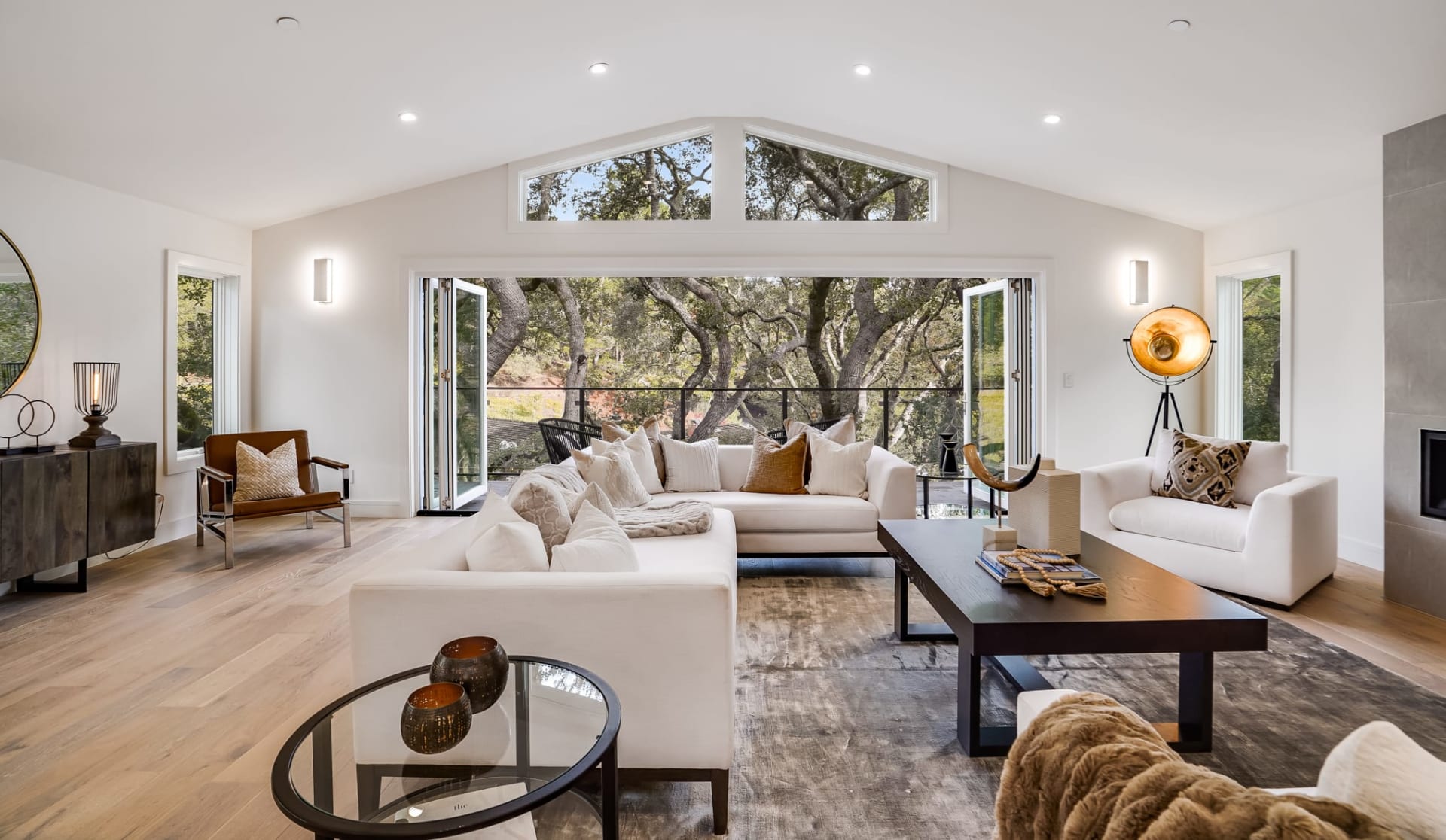
Thinking about listing your Top of the World home and wondering if staging is worth it? You are not alone. In a view-driven, high-value coastal neighborhood, presentation can shape first impressions and final offers. In this guide, you will learn when staging pays off, when it does not, how much to budget, and the smartest ways to highlight ocean and canyon views. Let’s dive in.
Why staging matters in Top of the World
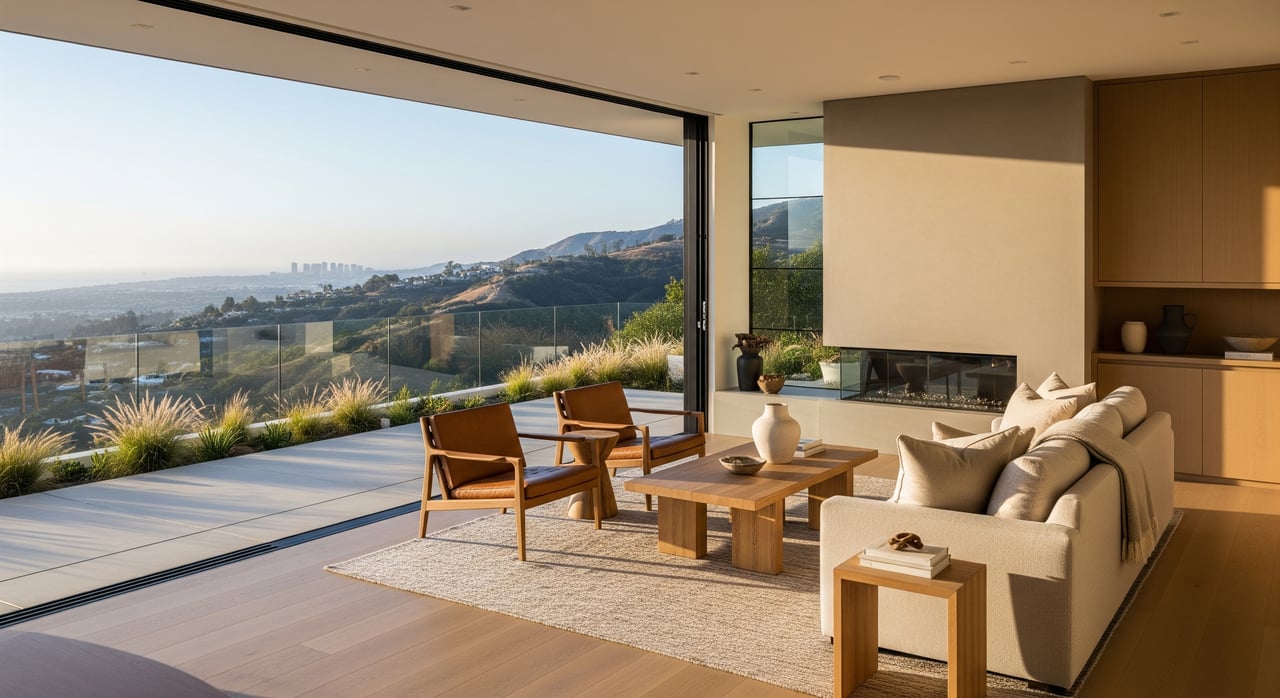
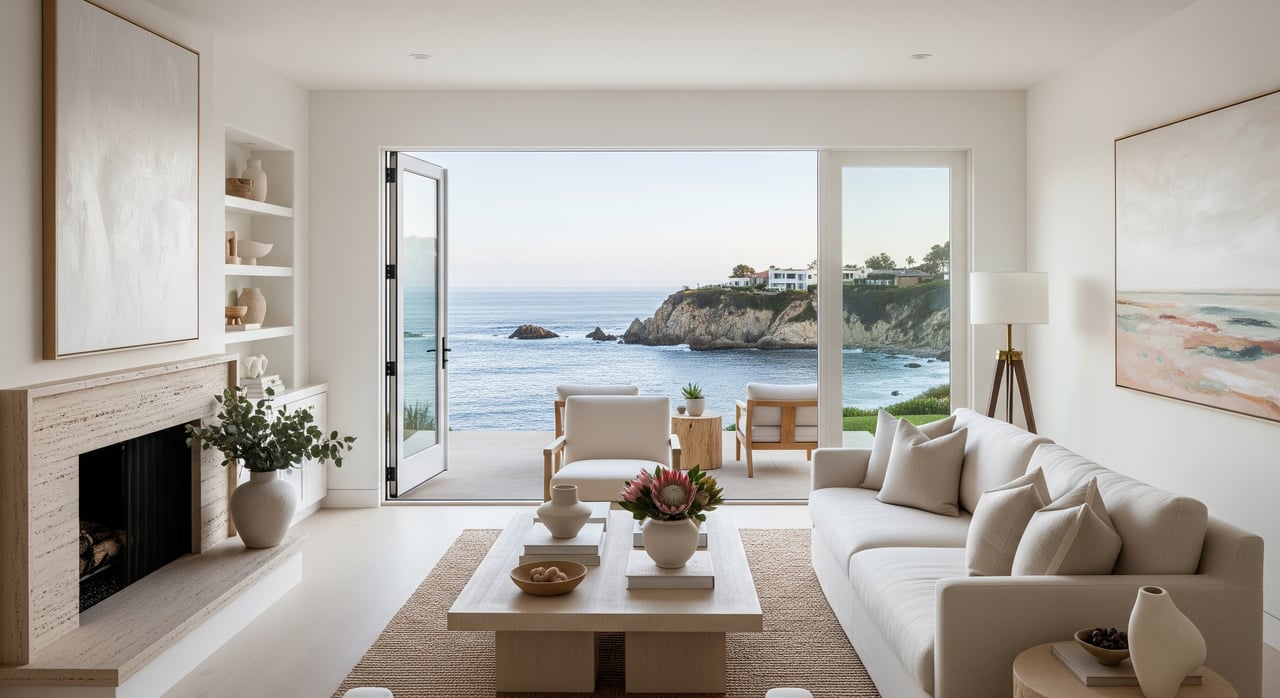
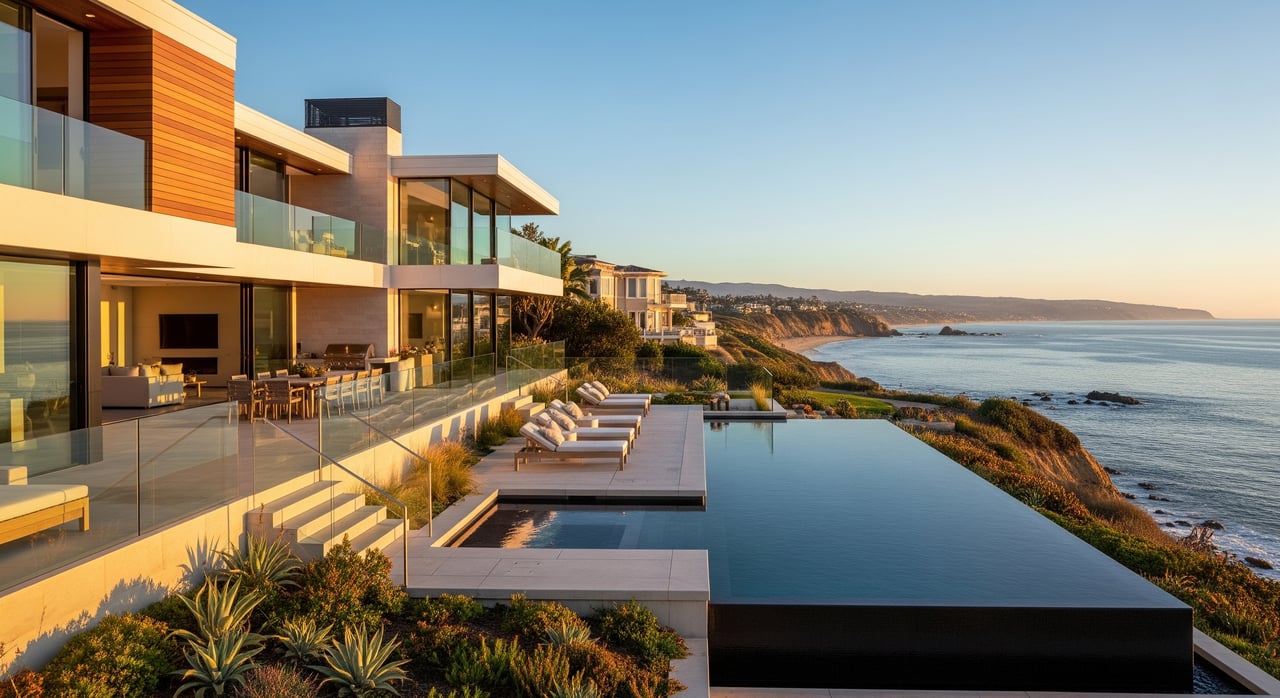
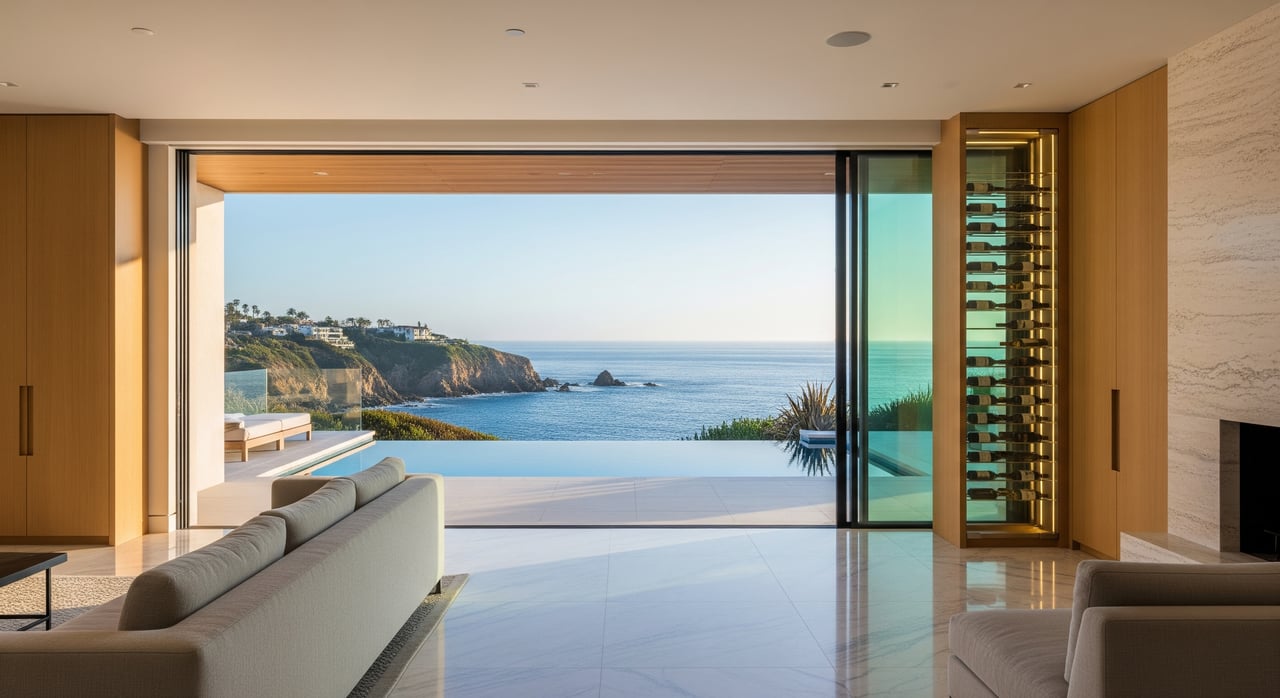
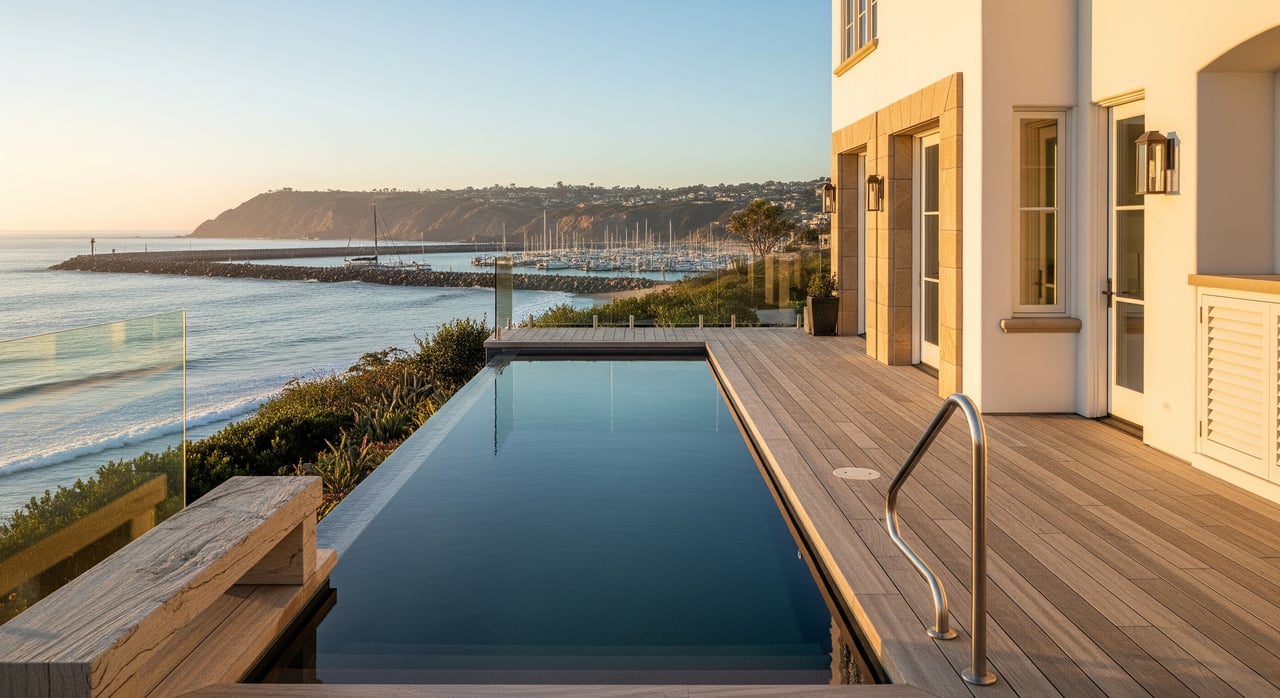
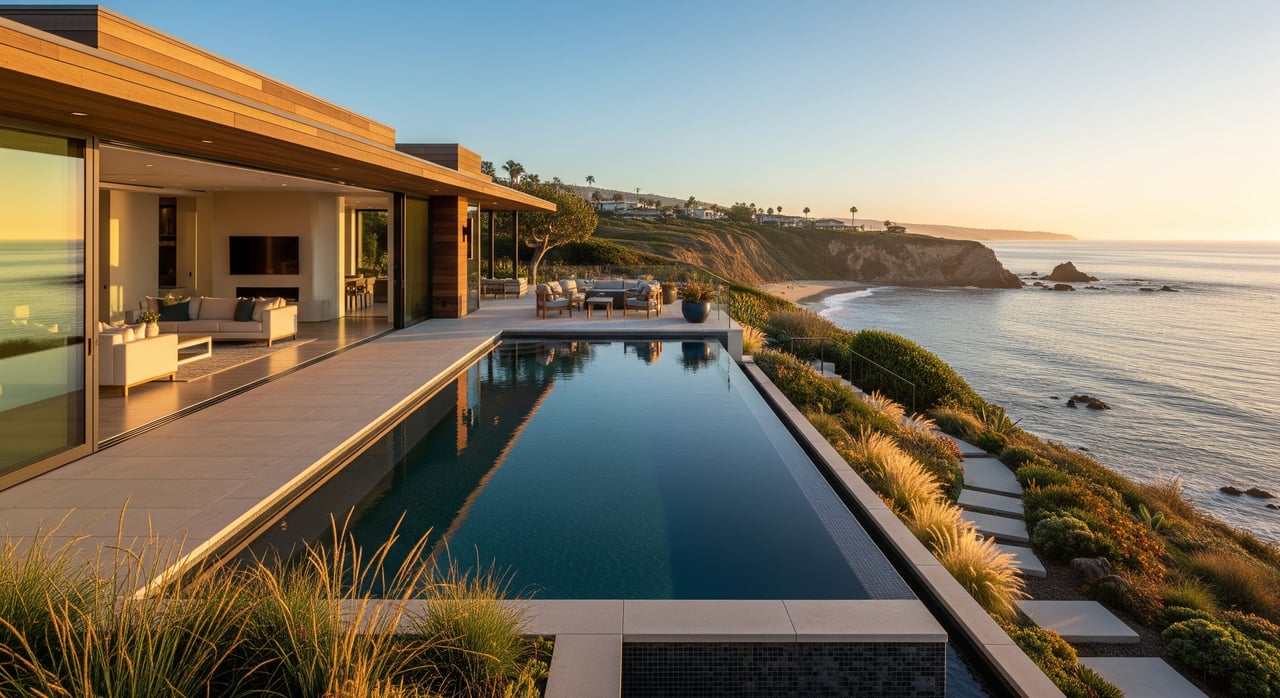
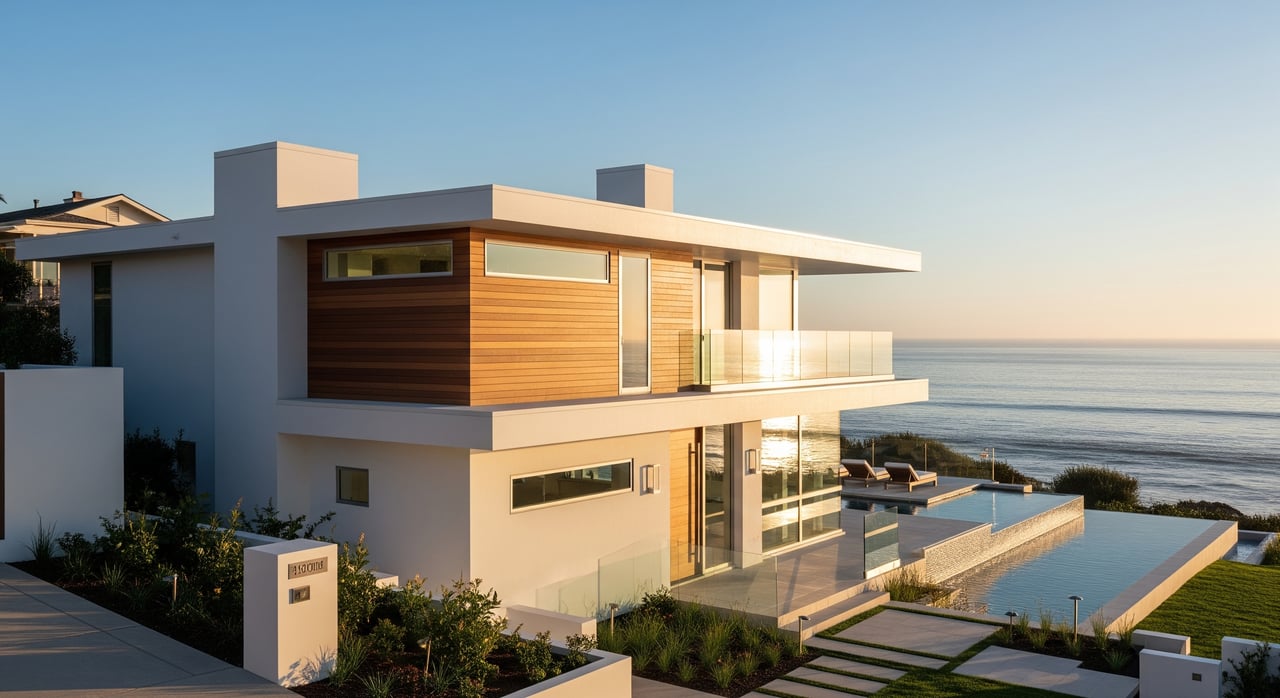
Top of the World sits high above Laguna Beach with prized ocean and canyon outlooks. Buyers here tend to be discerning and often shop by photos first, then make quick decisions at showings. Staging helps your home photograph beautifully and feel move-in ready, which can increase showings and build emotional connection.
Industry surveys, including those cited by national associations, commonly find that staged homes often sell faster and may achieve higher prices than comparable unstaged properties. The exact lift varies by market and condition, but in coastal submarkets where lifestyle presentation is key, the impact can be meaningful.
When staging pays off most
Staging is usually worth it when your property’s strengths deserve a spotlight and your goal is a premium result.
- Your home is vacant or partially empty. Empty rooms read cold in photos. In luxury coastal neighborhoods, vacant staging can help scale and flow.
- Your layout or finishes need context. Thoughtful furnishings can show how to orient seating to the view and how spaces live day to night.
- You want to accelerate activity. In competitive seasons like spring and early summer, sharp presentation supports strong launch momentum.
- You aim to maximize price. If a small presentation investment can improve perceived value, you can attract more qualified buyers.
When you might skip or scale staging
Not every property needs a full install. Consider trimming the scope if:
- The market is moving very quickly at your price point and comps are selling without staging. You may opt for a light refresh and professional photos.
- Your home is already updated, well kept, and furnished in a neutral, current style. Occupied styling and decluttering may be enough.
- Major fixes are needed. Staging cannot overcome structural issues or very dated layouts. Budget may be better spent on targeted repairs first.
The best staging approach for this neighborhood
There is no one-size-fits-all plan. Choose what fits your home, timing, and budget.
Occupied styling and refresh
Best for: Well maintained, owner-occupied homes.
What it includes:
- Deep declutter and depersonalization
- Furniture editing and rearrangement to open view lines
- Paint touch-ups and accessory updates for a light, coastal-appropriate palette
Typical cost: One-time services often range from about $500 to $4,000, depending on scope and home size.
Vacant staging
Best for: Empty homes or second homes where photos must carry the story.
What it includes:
- Rental furniture and decor installation for key rooms
- Layered lighting and minimal window treatments to showcase views
Typical cost: Install fees often range from about $1,500 to $8,000, plus monthly rental that can run from about $1,000 to $5,000 or more based on size and market. In high-end coastal areas, expect pricing toward the higher end.
Partial or targeted staging
Best for: Budget-conscious plans that still need impact.
Focus areas:
- Entry and main living space
- Kitchen and primary bedroom
- Primary outdoor areas (deck, patio, terrace)
This approach captures most of the marketing benefit without staging every room.
Virtual staging
Best for: Short timelines or limited budgets, especially for vacant rooms.
Notes:
- It is a useful supplement to physical staging but does not solve flow in person.
- Many MLS systems require disclosure if photos are digitally altered. Always follow current rules and include clear notes where appropriate.
Room-by-room priorities that sell the lifestyle
In Top of the World, the view and indoor-outdoor flow are the stars. Stage to make them effortless to experience.
Entry and foyer
- Keep furnishings minimal and sightlines clear to the main view or focal point.
- Use a slim console, balanced artwork, and soft lighting to guide the eye forward.
Living or family room
- Arrange seating to face the view. Float sofas and chairs if needed to frame windows or doors.
- Remove heavy drapes. Let natural light lead, then layer table and floor lamps to show evening ambiance.
Kitchen
- Declutter counters and showcase a few attractive items like a bowl of citrus or a cookbook.
- Highlight updated hardware and clean appliances. If there is an island, stage a light breakfast setup to suggest daily living.
Primary bedroom
- Use crisp, neutral bedding and soft textures for a serene feel.
- If possible, orient the bed or a reading nook to capture the best view line.
Bathrooms
- Keep them spa-like: fresh white towels, minimal decor, and bright lighting.
- Clear all personal items and store daily products out of sight.
Home office or flex spaces
- Stage as functional and uncluttered. A desk, proper chair, and good lighting are enough to convey purpose.
Outdoor living
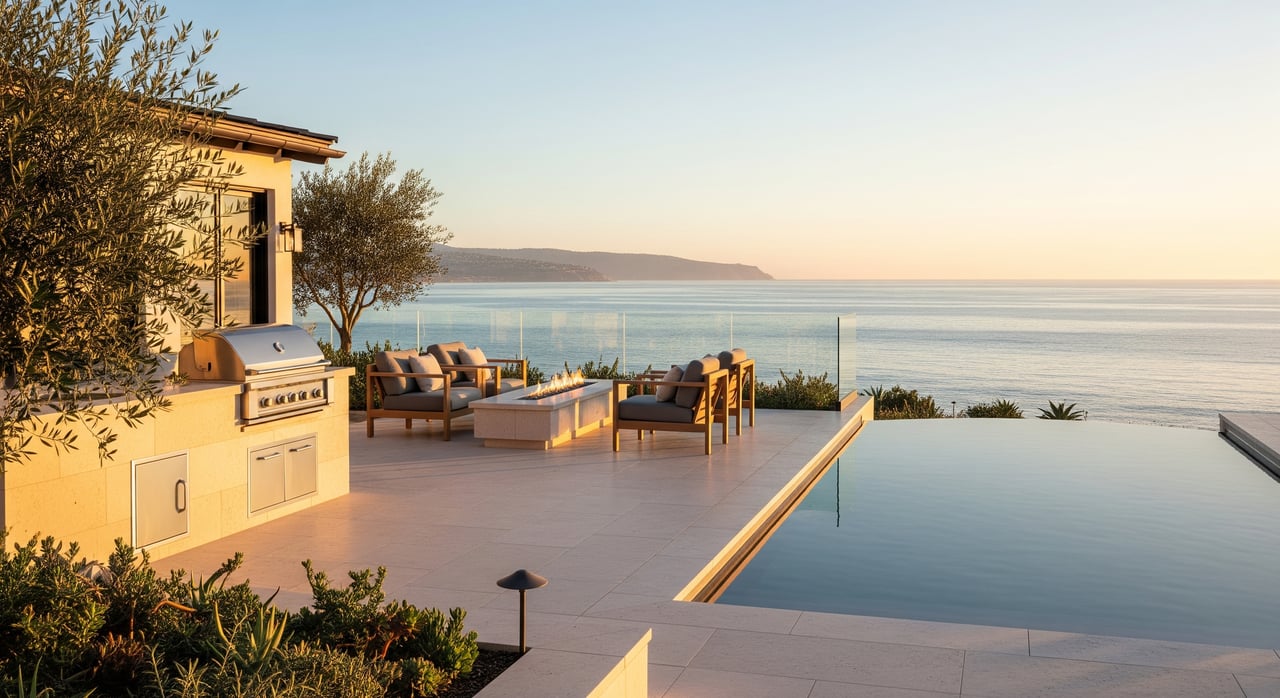
- Treat decks and terraces like additional rooms. Add dining and lounge zones with cohesive furniture and outdoor rugs.
- Use planters to define small areas and show privacy or shade options.
Photography and marketing essentials
In this neighborhood, photography is your first showing. Plan staging around the photoshoot window.
- Schedule staging to finish before photography. Aim for a clear day to capture ocean and canyon vistas.
- Use professional wide-angle and HDR techniques to handle bright light. Twilight images often convey warmth and view drama.
- Consider drone shots for elevated lots and to show proximity and view corridors.
- If you use virtual staging, disclose digital alterations and provide accurate, current photos as well.
Cost, timing, and what to expect
Budget and timeline vary with scope, size, and vendors, but here are reliable ranges and planning tips.
- Occupied refresh: About $500 to $4,000. Book 2 to 4 weeks before listing to complete decluttering and light updates.
- Vacant staging: Install fees often $1,500 to $8,000, plus monthly rental from about $1,000 to $5,000 or more. Installation often takes 1 to 3 days.
- Virtual staging: Often $50 to $400 per photo. Use with disclosure and pair with accurate images for showings.
- Scheduling: Allow 1 to 2 weeks to book your stager and photographer. Plan photos immediately after staging wraps.
These are general ballparks. Local Orange County stagers may price above national averages, so request itemized quotes.
How to decide: a simple, data-informed process
Use a quick decision flow with your agent to weigh staging’s ROI for your specific property.
- Comparative market review
- Review recent Top of the World listings and sales. Note which were staged and how they performed on days on market and price.
- Condition and presentation
- If your home is dated, cluttered, or vacant, staging impact is typically higher. If already current and photo-ready, a refresh can suffice.
- Price tier sensitivity
- Consider whether a plausible price lift or faster sale would cover staging costs. Higher tiers often benefit more from elevated presentation.
- Budget and timing
- Align staging scope with your marketing budget and launch timeline. Partial staging is a strong compromise when needed.
MLS and practical considerations
A smooth listing requires clarity and compliance.
- Virtual staging disclosure
- Many MLS systems require clear disclosure for digitally altered images. Ensure that any virtual staging is accurately noted in the photos or remarks.
- Furniture inclusion
- If furniture is rental for staging only, clarify that it is not included in the sale to avoid confusion.
- Vendor selection
- For stagers: Request portfolios from coastal Orange County properties, itemized quotes, lead times, and references.
- For photographers: Ask for view-rich portfolios including twilight and drone, plus turnaround time and licensing details.
- Contracts and logistics
- Confirm insurance, delivery and removal dates, and any damage policies for rentals.
Quick staging checklist for Top of the World sellers
Use this to prep efficiently and protect your view value.
- Clear sightlines: Remove window obstructions and trim landscaping that blocks views.
- Declutter and depersonalize: Edit furniture and store personal photos and collections.
- Neutralize bold colors: Use bright, neutral paint where needed to reflect light.
- Stage outdoor living: Define dining and lounge zones with cohesive pieces.
- Book pro photography: Target a clear day, add twilight shots, and consider drone.
- Plan showing access: Provide clear parking and access notes for steep streets.
- Disclose virtual staging: Follow current MLS rules if digital edits are used.
- Consider light upgrades: New hardware, lighting, and fresh landscaping often punch above their cost.
Bottom line: should you stage?
In Top of the World, staging often makes sense, especially for vacant homes or properties where you want to maximize photo appeal and emphasize indoor-outdoor living. It is not a guarantee of a higher price, but it can improve buyer engagement, reduce time on market, and support a stronger final outcome. If your home already shows beautifully, an occupied refresh and tight photography plan may deliver most of the benefit at lower cost.
If you want a tailored staging plan that fits your property, price point, and timeline, reach out for a local, data-informed opinion and a curated vendor roster. Schedule a consultation with Kira Nimmer-Crabel.
FAQs
Is staging necessary for Top of the World luxury homes?
- Often recommended, since buyer expectations are high and photography-driven marketing is essential at upper price points.
Will staging guarantee a higher sale price?
- No guarantee, but industry surveys report staged homes often sell faster and may achieve better prices depending on comps, condition, and pricing.
How far in advance should I stage before listing?
- Complete staging 3 to 10 days before professional photos and your public launch; start occupied refresh tasks 2 to 4 weeks prior.
Is virtual staging acceptable for Laguna Beach listings?
- Yes, it can be cost-effective, but you should disclose digital alterations per your MLS and pair with accurate, current photos.
Can staging fix a dated layout or finishes?
- Staging improves flow and perceived space, but it cannot replace needed renovations; pair it with targeted upgrades when appropriate.