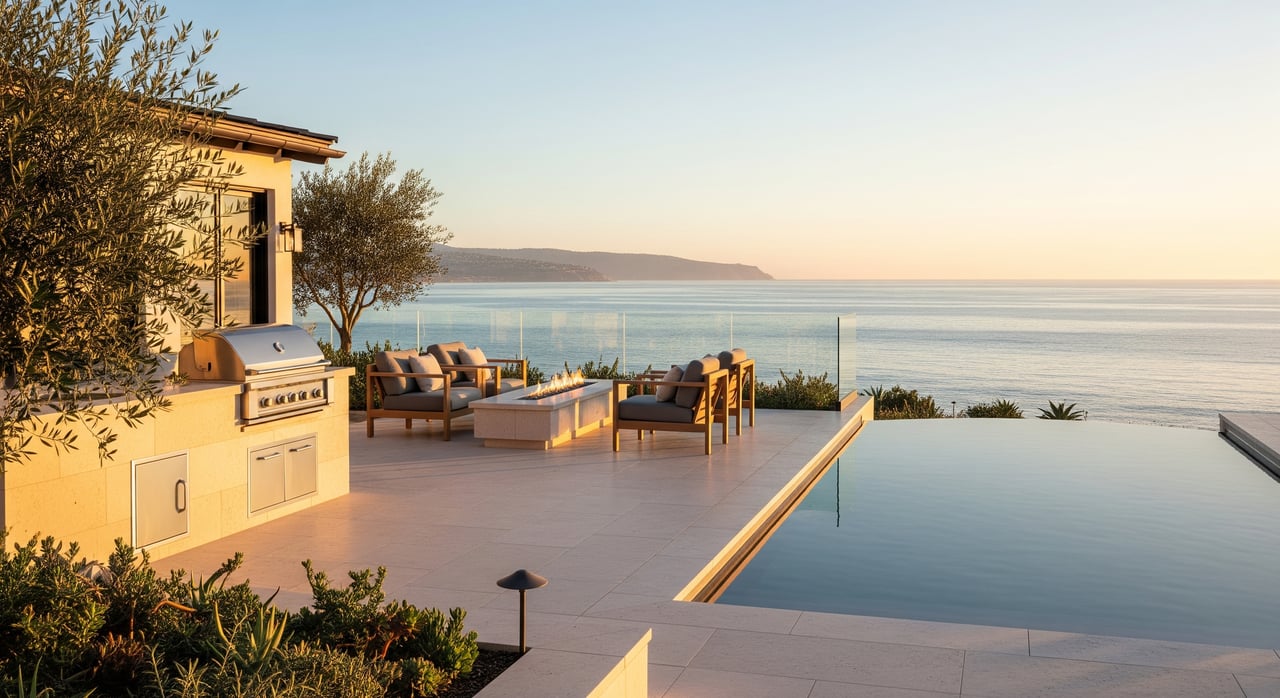
Outdoor Living Upgrades That Shine in Dana Point
January 8, 2026
January 8, 2026
Salt air, sun, and ocean views make outdoor living in Dana Point feel like an everyday escape. If you are wondering which upgrades actually elevate your lifestyle and add value when you sell, you are not alone. Choosing the right features, materials, and permitting path can be the difference between a beautiful, low‑maintenance retreat and a costly redo. In this guide, you will learn what works best in our coastal climate, how to plan for local rules, and where to focus for the strongest impact. Let’s dive in.
Dana Point’s Mediterranean coastal climate gives you comfortable outdoor time almost year‑round. Warm, dry summers and mild, wetter winters support daily use of patios, dining areas, and seating nooks. That means a well‑designed outdoor space is not just a nice-to-have. It is a lifestyle investment you will use often.
Across coastal Southern California, buyers consistently look for inviting outdoor areas. Features like quality hardscaping, shade structures, outdoor kitchens, lighting, and thoughtful landscaping often influence perceived value and days on market. In Dana Point, where many homes capture ocean breezes and views, the right upgrades help your property stand out when it is time to list.
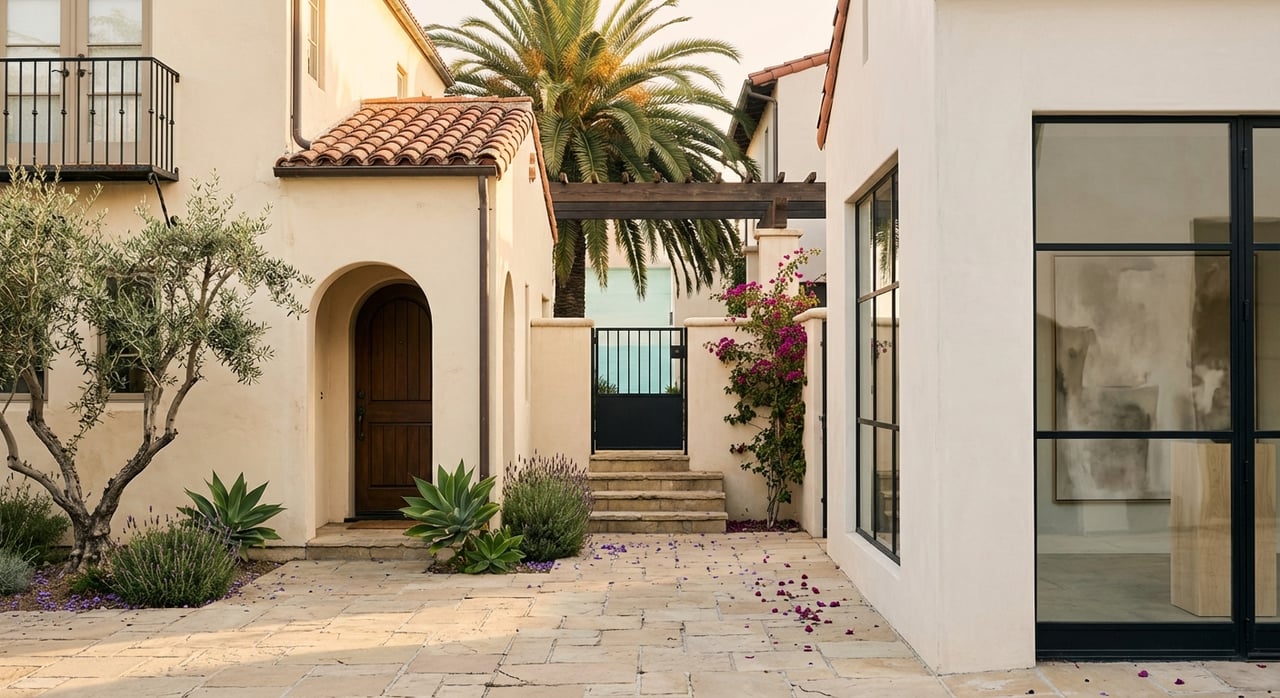
A well‑planned patio extends your living room outside and frames your view. Choose slip‑resistant finishes and materials that handle salt and sun, such as porcelain pavers, natural stone, or high‑quality concrete pavers. Integrate proper grading and drainage so runoff stays on your property and away from neighbors or public paths.
Shade makes outdoor spaces usable through mid‑day sun and glare. Pergolas and covered lounge areas boost comfort and extend your hours outside. Many simple, non‑permanent shade structures are easier to permit than enclosed rooms, but you should confirm size, height, and placement rules with the City and the Local Coastal Program before you build.
In a warm climate, an outdoor kitchen is a social anchor. Built‑ins create a clean, finished look and attract buyers who love to entertain. Plan for permits when you add gas, plumbing, or electrical, and choose corrosion‑resistant components such as marine‑grade stainless appliances and quality stone or composite surfaces.
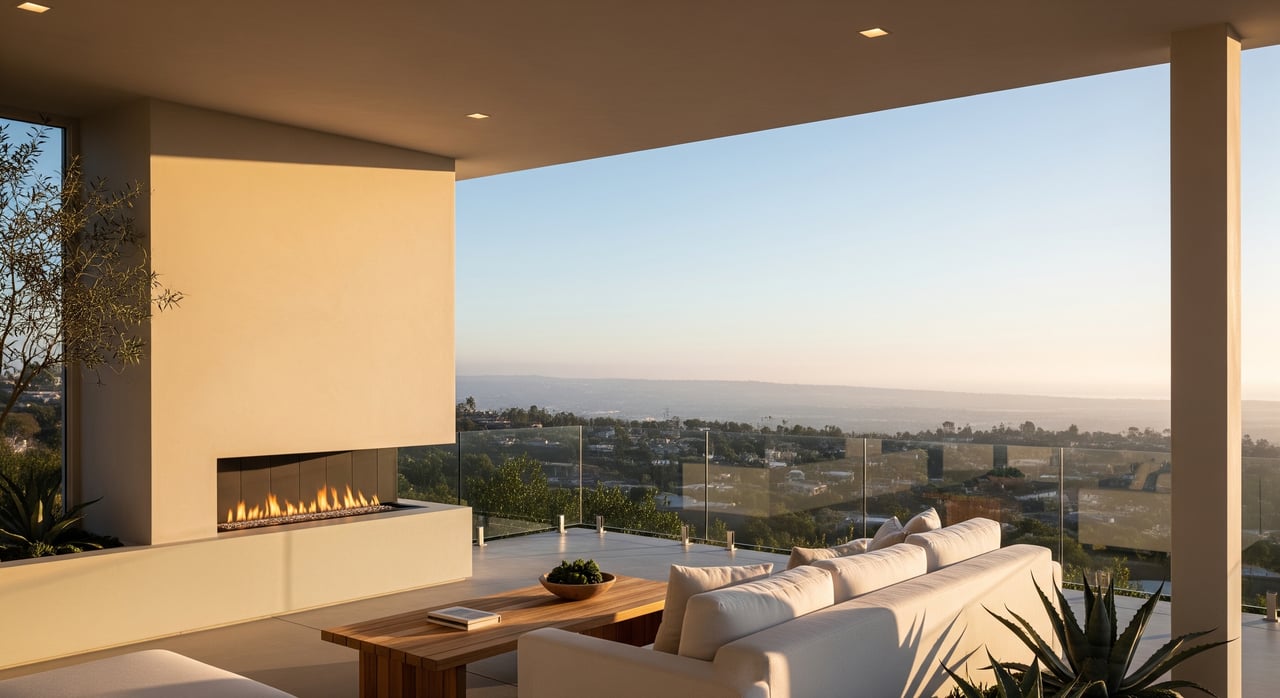
Fire pits and fireplaces add a warm focal point and extend enjoyment into cool evenings. Local codes and HOA rules may limit open flames, so built‑in gas features are often the most practical. They are easier to control, typically simpler to permit, and perform well in coastal conditions.
Good lighting improves safety and ambience during showings and gatherings. Low‑voltage LED path lights, step lights, and accent fixtures work well near the ocean when you select salt‑resistant finishes. Concealed wiring and smart timers or app‑based controls keep your setup clean and easy to manage.
Thoughtful planting reduces water use and elevates curb appeal. Select drought‑tolerant and salt‑tolerant species, including coastal natives where appropriate. Layer plantings to provide privacy and wind protection without blocking views. Drip irrigation and smart controllers help you save water and adapt to regional restrictions, and local water agencies may offer rebates for turf removal and efficient systems.
Decks add functional square footage and connect interiors to the view. On ocean‑exposed sites, use composite decking or durable hardwoods with stainless steel fasteners. Glass or framed railings can preserve sightlines while meeting safety needs. Account for drainage, flashing, and structural details to prevent long‑term moisture issues.
Pools and spas are lifestyle standouts in Southern California. If you are on a slope or bluff‑top lot, plan for engineering and a longer permit path. Consider whether a plunge pool or spa captures the same enjoyment with lower cost and maintenance.
Ocean exposure can bring wind and glare. Strategic privacy solutions make spaces more comfortable without closing off views. Use living screens, architectural fencing, perforated metal panels, or tempered glass windbreaks to shape breezes and add seclusion.
Permeable paving, rain gardens, drip irrigation, and graywater systems help manage runoff and reduce water use. These upgrades align with regional sustainability goals and may qualify for incentives through local agencies. They also signal thoughtful stewardship to future buyers.
Salt spray and UV exposure can shorten the life of outdoor finishes. Prioritize marine‑ready materials such as 316 stainless steel for fasteners and fixtures, powder‑coated aluminum, UV‑resistant composites, and porcelain or dense natural stone. Avoid plain galvanized metals in high‑spray zones, and plan for routine rinsing to remove salt residue.
For planting, focus on salt‑tolerant and drought‑tolerant species. Group plants by water needs and add mulch to retain moisture. A drip system with a smart controller will keep plants healthy while conserving water.
In hardscape design, direct water away from structures, neighbor properties, and bluff edges. Use permeable surfaces where possible to ease runoff. For raised decks, detail flashing carefully and choose rot‑resistant framing to prevent moisture damage.
A simple maintenance rhythm goes a long way. Rinse metal and glass surfaces a couple of times a year to reduce corrosion. Inspect fasteners, railings, appliances, and sealants annually. Adjust irrigation seasonally and test backflow devices as required.
Dana Point projects often involve multiple layers of review. The City’s Planning and Building teams regulate electrical, plumbing, grading, drainage changes, and any structures with foundations. Small, non‑structural landscape work may not need permits. If your project includes utility connections, structural components, or changes to impermeable areas, expect permits and inspections.
Much of Dana Point falls under the Local Coastal Program. Work between the first public road and the sea, near bluff edges, or along the shoreline can trigger Coastal Development Permit requirements. Bluff‑top lots face strict setbacks, and shoreline armoring is tightly regulated. If your site is near a bluff or on a slope, involve a geotechnical engineer early.
Many neighborhoods and condo communities have CC&Rs that govern materials, colors, visible structures, and landscaping. Secure HOA approval before submitting for city permits to avoid redesigns. Aligning with community standards also supports resale value.
Set a budget that includes design, permits, HOA review, and a contingency for site surprises. Outdoor kitchens, decks, and pools can vary widely in cost based on size and materials, and hillside or bluff conditions can add engineering expenses.
Industry reports indicate that outdoor living projects often improve buyer interest and can deliver meaningful resale benefits. Your actual payback depends on project quality, property type, and neighborhood expectations. The safest approach is to match scope and finish level to comparable homes in your area.
You can create impact even in compact courtyards and condo patios. Focus on one strong zone such as a lounge with a pergola, or a cafe‑style dining niche with lighting and planters. Use vertical elements like trellises or slim hedging for privacy without closing in the space.
On view lots, low‑profile furnishings, glass wind screens, and well‑placed lighting help you enjoy the panorama without visual clutter. For sloped yards, terraces with integrated seating can add safe, usable space while managing drainage.
Use this quick checklist to start on the right foot:
Small landscaping or a freestanding pergola may take a few weeks. Outdoor kitchens and decks that involve permits often take a few months from design through inspections. Pools, major grading, or projects with bluff‑related engineering can extend many months due to reviews and specialized approvals.
If you plan to sell in the next few years, prioritizing an elegant, low‑maintenance outdoor area can help your home photograph beautifully, show well at twilight, and feel move‑in ready. Thoughtful upgrades that fit the neighborhood and the site conditions often translate to stronger buyer interest and smoother negotiations.
Ready to plan a space that performs for today and positions you for tomorrow? Connect with Kira Nimmer-Crabel to map out high‑impact outdoor improvements tailored to your Dana Point property.
Stay up to date on the latest real estate trends.

California Real estate specialist. With years of experience and a track record of success, we are here to exceed your expectations. Contact Kira today so she can guide you through the buying and selling process.
Get In Touch With Kira
341 Bayside Dr
Newport Beach, CA 92660