What kind of ocean view fits your life best: a walk-to-the-pier cottage, a bluff-top stunner with whitewater drama, or a hillside home with big panoramas and room to breathe? In San Clemente, the right choice comes down to how you balance views, walkability, lot size, and privacy. This guide breaks down the city’s main ocean-view options so you can compare lifestyle, access, and typical pricing patterns with confidence. You will also find a quick buyer checklist for coastal due diligence. Let’s dive in.
How to compare ocean-view areas
San Clemente’s ocean-view homes generally fall into four practical types buyers use to narrow a search:
- Oceanfront or beach level: Immediate beach access and the highest premiums. Parcels are rare and inventory is tight around the pier and Avenida Del Mar.
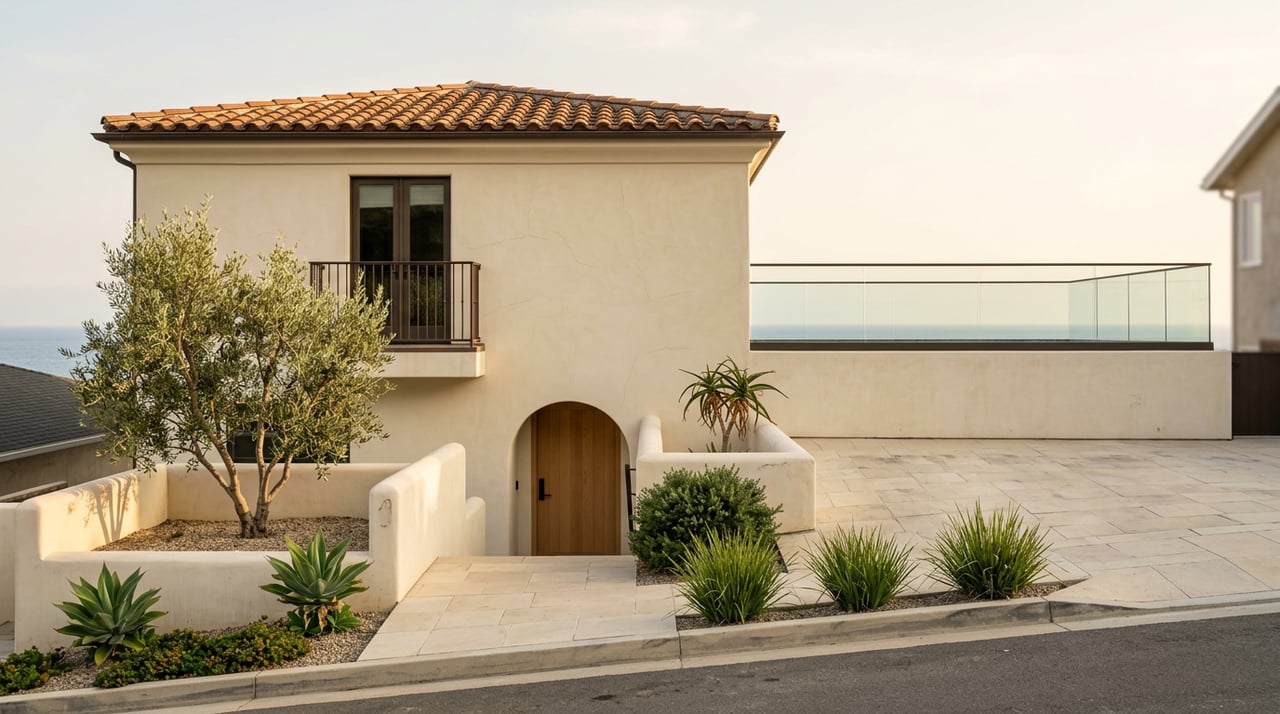
- Bluff top or canyon edge: Unobstructed views in select pockets, with added attention on setbacks, permits, and engineering for bluff proximity.
- Coastal hillsides or ridges: Elevated lots east of I-5 with wide views and more interior and yard space. You drive to the beach.
- Beach-adjacent or canyon floor: Cottage pockets near T-Street and downtown with the strongest walkability and small-lot living.
These types help you decide whether you value daily beach walks, panoramic vistas with more space, or gated privacy most.
Pier Bowl and Downtown
These blocks around the San Clemente Pier and Avenida Del Mar are what many buyers picture when they think “classic San Clemente.”
- Terrain and access: Beach-level streets, short stairs or paved paths to the sand, and excellent walkability to dining and the beach trail. The Pier Metrolink stop adds convenient rail access for day trips, which you can preview through the OCTA Pier Station overview.
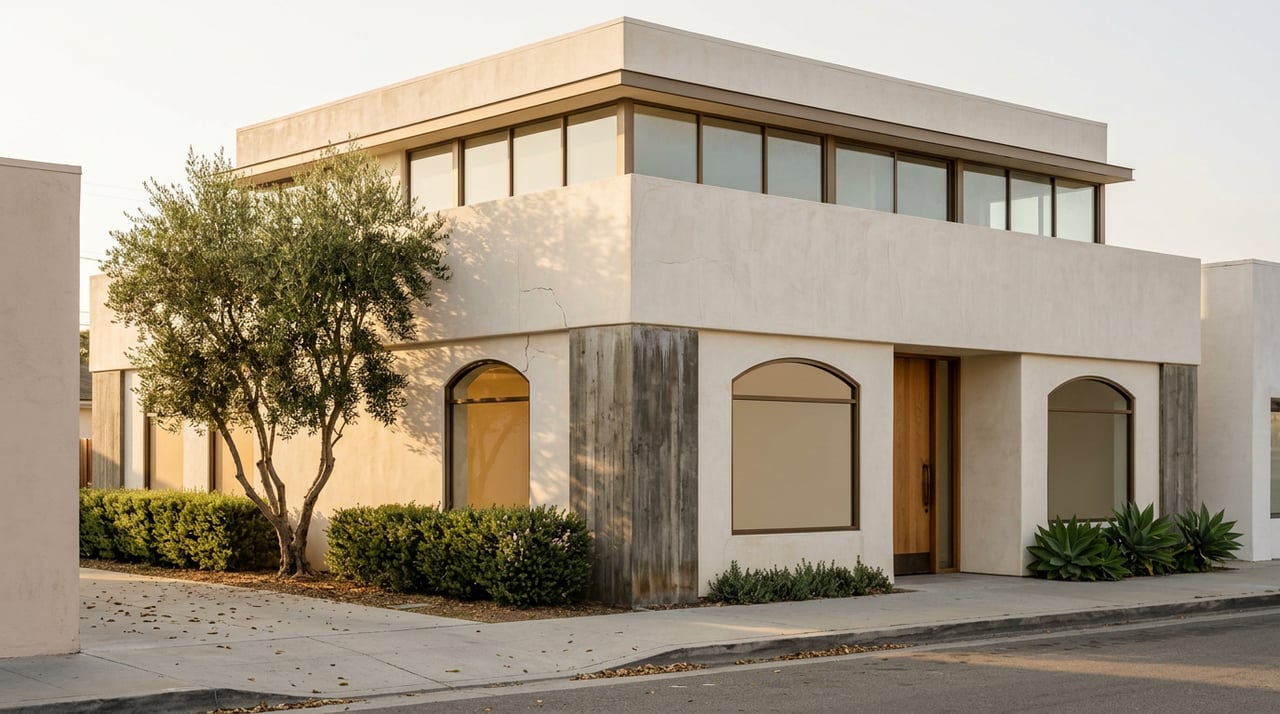
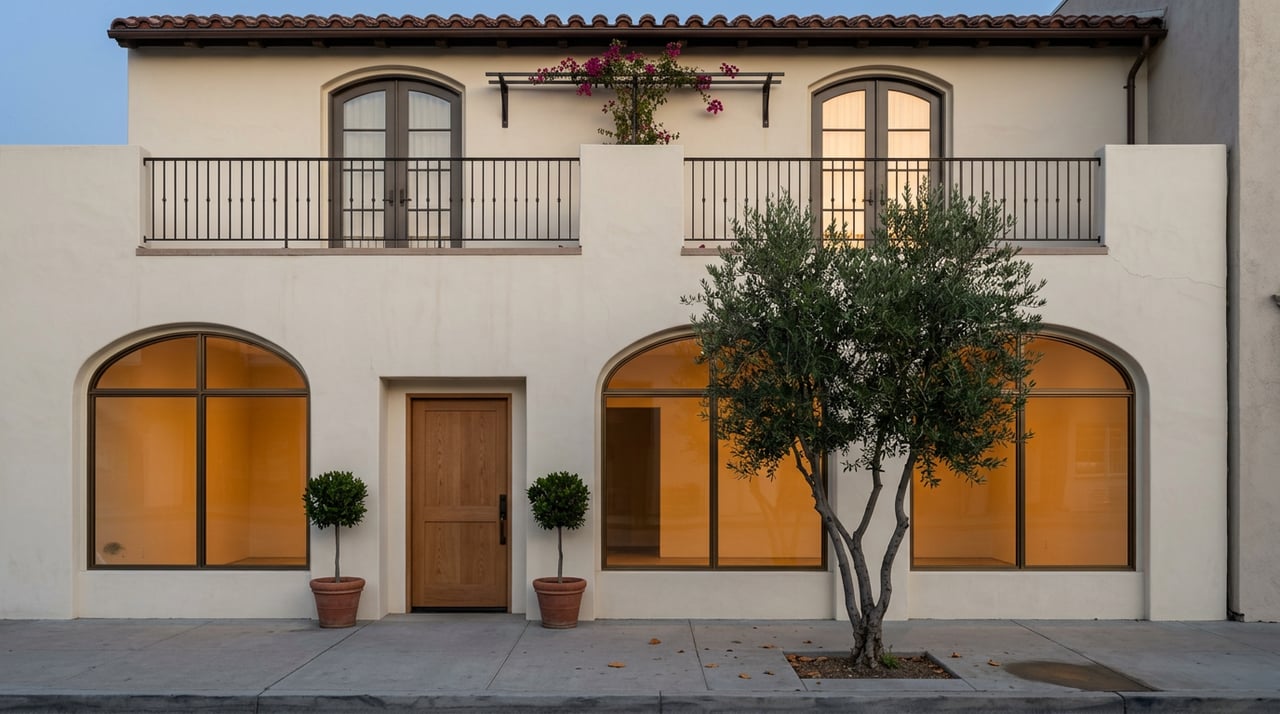
- Architecture: 1920s Spanish Colonial Revival cottages and bungalows mix with small multi-unit buildings and newer infill townhomes. For a sense of the area’s historic roots, see Casa Romantica’s background.
- Pricing and inventory: High per-square-foot premiums for direct ocean or whitewater views. Condos and small single-family homes trade often, but the best-view units remain limited and competitive.
- Best for: You want to park the car and live on foot. Expect smaller lots, lively energy, and fast access to the pier and dining.
Southwest, T-Street, Trafalgar, and Riviera
This southwest stretch is bluff-forward and surf-oriented with canyon paths that drop toward T-Street.
- Terrain and access: Bluff-top streets, canyon rims, and quick access to T-Street and the 2.5-mile beach trail. Many pockets walk to the pier. Surf culture is strong, with easy reach to the famed Trestles corridor. For context, read more about Trestles surfing.
- Architecture: Eclectic mix of classic Spanish bungalows, mid-century cottages, and custom bluff estates. Many remodels emphasize glass, decks, and sunset sightlines.
- Pricing and inventory: Among the city’s priciest when homes have walk-to-beach access or sit on premier bluff blocks. Inventory is tight and unique bluff parcels garner swift attention.
- Best for: You prioritize surf, sand, and sunsets. You are comfortable trading lot size for immediacy and views.
North San Clemente, Marblehead, and Sea Pointe
At the northern city edge you will find ridges and gated enclaves, some with coastline and Dana Point headlands views.
- Terrain and access: Rolling terraces and ridge parcels. Freeway access is convenient and you are a drive from the pier and downtown.
- Architecture: Larger homes and custom estates, often gated or HOA-managed, with two-story plans designed to capture views.
- Pricing and inventory: Higher entry pricing with smaller, by-design inventory in gated pockets. You are often paying for square footage, privacy, and amenities along with the view.
- Best for: You want resort-style living, privacy, and larger homes. Walkability to the pier is less important.
Coastal ridgelines: Forster Ranch, Rancho San Clemente, Talega
These inland hills sit east of I-5 yet deliver wide ocean vistas from higher elevations.
- Terrain and access: Elevated ridges with planned communities and larger lots. Expect a 10 to 20 minute drive to the pier depending on traffic.
- Architecture: Late-20th and early-21st century tract and custom homes. Styles vary by tract and many lots allow meaningful indoor-outdoor upgrades.
- Pricing and inventory: Often the largest supply of “ocean-view” homes by count. Medians in these neighborhoods contribute heavily to the citywide median and can offer more space per dollar than beach-adjacent areas.
- Best for: You want more house, yard, and garage space while still catching sunsets from an elevated vantage.
Small enclaves and HOAs to watch
Sea Pointe Estates, Villa Grande, Capistrano Shores, Mariner’s Point, Cypress Cove, and The Reserve each blend view quality, access, and HOA structure differently. Rules vary by community for amenities, guest parking, and short-term rental restrictions. Always confirm specifics in the CC&Rs and with the HOA before making plans for rental income or large exterior alterations.
What drives price and pace
Citywide numbers set a baseline, but submarket traits move results.
- Market context: Realtor.com’s December 2025 snapshot showed a citywide median near $1.98M, around 143 active listings, and about $912 per square foot. Zip-level data runs higher along the coast. Altos Research reported a 92672 median list price near $2.688M on February 23, 2026. Redfin’s mid-2025 sold-price context placed the citywide median near $1.725M. Always match the data to its date when you review comps.
- View quality: Direct oceanfront and unobstructed whitewater views command the largest premiums and the smallest supply.
- Walkability: Short walks to Avenida Del Mar and the pier lift per-square-foot pricing and often shorten days on market.
- Lot size: Inland ridgelines offer more house and yard for the dollar but trade off beach walkability.
- Regulations and hazards: Bluff-edge homes face added review for setbacks, coastal development permits, and engineering, which can limit supply and impact timelines.
Coastal buyer due diligence checklist
Focus early due diligence on the items that change economics and long-term enjoyment.
- Coastal permits: For work in the coastal zone, confirm if a Coastal Development Permit (CDP) was required or issued and review the Local Coastal Program. Start with the California Coastal Commission’s LCP and CDP overview.
- Bluff stability and history: Ask about erosion, stabilization, past slides, and any shoreline armoring. Casa Romantica’s recent stabilization projects are a reminder to evaluate bluff factors thoughtfully. Learn more about the site’s history and recent news via Casa Romantica.
- Flood maps and sea-level rise: Check a parcel’s flood zone at the FEMA Flood Map Service Center and review state sea-level rise guidance from Caltrans’ coastal hazards resources.
- Insurance: Confirm availability and cost early, including flood insurance options and earthquake coverage.
- Mello-Roos and HOAs: Use the Orange County special tax portal to check CFD obligations by APN at the Mello-Roos map. Review HOA CC&Rs for STR rules, design approvals, and guest limits.
- Short-term rentals: San Clemente policies and enforcement have evolved. Confirm current city and HOA rules before modeling rental income.
- Access and parking: Document beach access details, any private stairs or paths, and street-parking limitations in writing.
How to narrow your search fast
Use your top two priorities to guide the first cut:
- Walk-to-beach and downtown dining: Focus on Pier Bowl, Avenida Del Mar, and north Trafalgar pockets. Expect small lots and high per-square-foot values.
- Surf lifestyle and beach steps: Southwest, T-Street, and Riviera fit best, with premium pricing and tight supply near the breaks.
- Big views with more space: Look to Forster Ranch, Rancho San Clemente, and inland Marblehead tracts on the ridges.
- Gated privacy with amenities: Shortlist Sea Pointe and select Marblehead enclaves.
If you want a curated shortlist that matches your lifestyle, timing, and renovation appetite, reach out for a private strategy session with Kira Nimmer-Crabel.
FAQs
What is the difference between Pier Bowl and T-Street for ocean views?
- Pier Bowl favors walk-to-dining and pier access with many small-lot homes, while T-Street and Southwest add bluff drama and surf breaks with eclectic cottages and custom estates.
How much do ocean-view homes in San Clemente cost today?
- Citywide medians hovered near $1.98M in Dec 2025, with 92672 list medians near $2.688M on Feb 23, 2026, and a mid-2025 sold median near $1.725M. Always check fresh comps for your segment.
Are bluff-top homes safe and insurable?
- Many are, but you should review bluff history, stabilization work, insurance options, and CDP records with experts, using the Coastal Commission’s LCP/CDP page as a starting point.
Do ridge neighborhoods still get strong ocean views?
- Yes. Higher lots in Forster Ranch, Rancho San Clemente, and Talega can offer wide ocean and sunset views, with more interior and yard space than beach-adjacent pockets.
How long is the drive from ridge neighborhoods to the pier?
- Plan roughly 10 to 20 minutes depending on time of day, route, and parking near the pier.
What permits apply if I remodel near the coast?
How do Mello-Roos and HOAs affect monthly costs?
- Some planned communities carry CFD assessments and HOA dues; verify the APN at the county’s Mello-Roos portal and review HOA CC&Rs to model your total monthly carry.