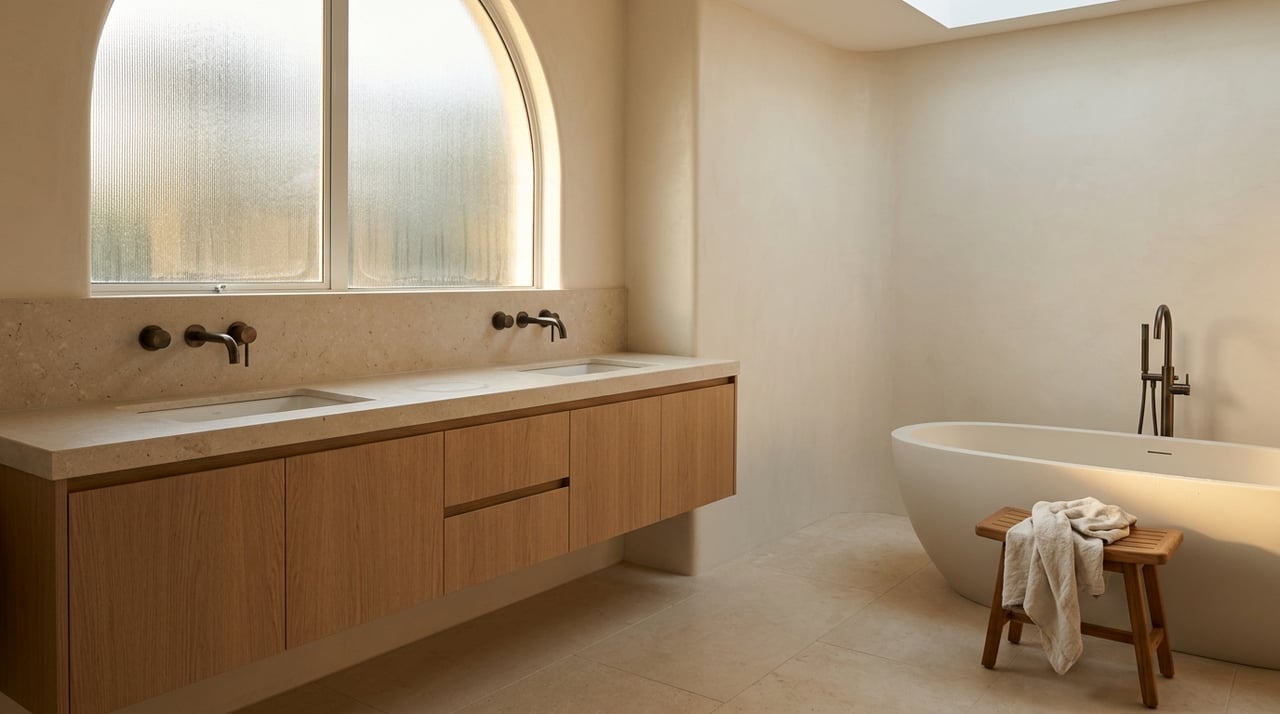
Selling A Newport Beach Second Home With Less Stress
April 16, 2026
April 16, 2026
If you own a second home in Newport Beach, selling it can feel like managing a business trip, a maintenance project, and a legal checklist all at once. You may be juggling distance, guest schedules, disclosure paperwork, and the pressure to present the home well in a market where buyers are selective. The good news is that a smoother sale usually comes down to having the right local plan in place before your home hits the market. Let’s dive in.
Newport Beach remains a high-price market, which means presentation and pricing discipline still matter. Redfin’s Newport Beach housing market data reported a February 2026 median sale price of $3.55 million, 54 median days on market, and a 96.7% sale-to-list ratio. That kind of market can reward strong preparation, but it does not remove the need for strategy.
For a second-home owner, the sale is often less about one listing appointment and more about managing logistics well. If you live elsewhere, the biggest stress reducer is usually simple: set up one coordinated local plan for access, cleaning, repairs, photos, disclosures, and showing oversight from the start.
A Newport Beach second home is rarely ready to sell with a few quick calls. Because you are not living in the property full time, small tasks can stack up fast, from vendor access to routine cleaning to making sure the home is photo-ready on the right day.
A practical approach is to organize the sale in phases. That gives you a cleaner timeline and helps you avoid reacting to every issue at the last minute.
Before the home goes live, it helps to line up the essentials:
When each item has an owner and a timeline, the process feels far more manageable. That is especially helpful in a coastal market where buyers often notice condition, upkeep, and ease of access right away.
One of the easiest ways to reduce stress is to start disclosure work early. California’s Seller Property Questionnaire and disclosure guidance from the Department of Real Estate makes clear that disclosure requirements are detailed and that the state guide is general information, not legal advice.
The key takeaway for you is straightforward: you can outsource coordination, but not responsibility. The DRE notes that a seller may use a third-party consultant to prepare a Natural Hazard Disclosure, but the seller still has the duty to deliver the disclosure to the buyer.
For a coastal property, hazard review should not wait until escrow. California law requires disclosure in certain mapped hazard areas, including some flood, fire, and seismic zones, when statutory conditions apply. You can review the legal framework in California Civil Code section 1103, and Newport Beach also provides local flood-management resources and FEMA map tools through its city information referenced in the research.
The DRE also explains that the Real Estate Transfer Disclosure Statement describes the condition of the property but is not a warranty or a substitute for inspections. In real terms, that means it is smart to collect disclosures, inspections, and hazard information before your listing is active, not after a buyer is already asking questions.
If your second home is a condo, townhome, or other common interest development, the paperwork may be larger than expected. The DRE guide says sellers in these properties may need to provide governing documents, operating rules, budget and reserve information, and details related to delinquent assessments.
In Newport Beach, that can be especially important for coastal condos and planned developments. If you wait until the first offer arrives, document delays can slow momentum and add unnecessary friction.
If your home was built before 1978, federal lead-based paint disclosure rules may apply. The EPA’s lead disclosure page states that buyers and renters of most pre-1978 housing have a right to know about known lead-based paint or lead-based paint hazards before signing.
For older Newport Beach homes, this is a simple but important item to flag early. It is much easier to handle with the rest of your disclosure package than in a rush later.
If your second home is vacant, access is usually simpler. If it is used by guests, tenants, or family, a clear showing plan becomes one of the biggest stress-saving tools you have.
The goal is not to force showings into every open slot. The goal is to create a single system that protects the property, respects occupancy, and gives buyers a consistent experience.
California generally requires reasonable advance written notice before entry, and 24 hours is presumed reasonable in most situations. The California DRE resource guide on landlord and tenant issues also notes that entry is generally during normal business hours, typically 8 a.m. to 5 p.m.
When the purpose is to show the property to a prospective purchaser, California allows oral notice by phone or in person only after the tenant has first been told in writing that the property is for sale, and that written notice must be given within 120 days of the oral notice. For you, the practical takeaway is simple: one point person, one showing calendar, and clear showing windows can prevent confusion and reduce disruption.
Second homes often have a more fluid occupancy pattern than primary residences. Friends may be visiting, cleaners may be scheduled around stays, or the property may have been used part-time for short-term lodging. In that case, showing strategy should be built around real occupancy blocks, not hope.
You will usually have a smoother sale if showings are grouped thoughtfully, turnover cleaning is scheduled in advance, and buyer access is planned around when the home can truly show at its best.
If the home has been used as a vacation rental, there may be more to handle than simply ending future bookings. Newport Beach defines short-term lodging as a dwelling unit rented or leased to a single household for less than 30 consecutive days.
According to the city’s short-term lodging permit information, annual permit renewals are due October 31, with FY 25/26 fees listed as $300 for an initial permit and $336 for a renewal. Just as important, permits are not automatically transferred when title changes.
Newport Beach states that permit transfer deadlines are:
The city also outlines permit transfer details on its short-term lodging permit transfer page. If your home has operated as a short-term rental, your sale plan may need to include a permit review, updated owner contact details, and a handoff plan for any guest-facing rules or property instructions.
Newport Beach’s short-term lodging owner resources show how much local coordination these properties can require, including a 24/7 contact form, nuisance response plan, permit conditions, and required interior posting.
The city also says short-term lodging owners must comply with SB 1383 waste rules by providing separate trash, recycling, and organics streams, and it warns that citations can start at $1,000 per violation. If guests are still using the property while you prepare to sell, checkout instructions, trash setup, and clean-out timing can directly affect whether the home stays compliant and ready for showings.
Second-home owners sometimes feel less urgency because the property is not their primary residence. But in Newport Beach, a higher price point does not guarantee an easier sale. Buyers in this range are often focused on condition, convenience, and value alignment.
That is why realistic pricing and polished presentation work together. In a market where reported sale-to-list ratios have been around 96.7% to 96.8% in the research provided, strong pricing discipline can help you protect momentum and avoid a stale listing.
A common question with second homes is whether the sale qualifies for the main-home capital gains exclusion. The IRS guidance on selling a home says only a taxpayer’s main home can qualify for the home-sale exclusion, up to $250,000 for a single filer or $500,000 for a married couple filing jointly if requirements are met.
If you own more than one home, you can exclude gain only on your main home. The IRS also notes that sales not fully excluded generally must be reported, including cases where Form 1099-S is issued. For a Newport Beach vacation home, that means you should avoid assuming the sale will automatically be tax-free.
The easiest second-home sales usually look calm from the outside because the work was organized early. Disclosures are assembled, occupancy is mapped out, vendors have access, the home is cleaned and photo-ready, and everyone involved knows the plan.
If you want a more polished and less stressful experience selling a Newport Beach second home, it helps to work with someone who can coordinate the moving parts with care, discretion, and local insight. If you are thinking about your next step, Kira Nimmer-Crabel offers a concierge-style approach designed to simplify the process from preparation through closing.
Stay up to date on the latest real estate trends.


California Real estate specialist. With years of experience and a track record of success, we are here to exceed your expectations. Contact Kira today so she can guide you through the buying and selling process.
Get In Touch With Kira
341 Bayside Dr
Newport Beach, CA 92660