Hillside Views Or Village Living In Laguna Beach?
March 26, 2026
March 26, 2026
Torn between waking up to a sweeping ocean panorama or stepping out your door to coffee, galleries, and Main Beach? In Laguna Beach, you can have either style of coastal living, but each comes with its own rhythm, rules, and costs. If you love the idea of hillside privacy and sunset vistas or crave a walkable, village-first lifestyle, this guide gives you a clear way to compare both options.
You’ll see how views, access, maintenance, insurance, and local regulations shape daily life and long-term value. You’ll also get a simple decision framework and neighborhood examples to make your short list. Let’s dive in.
Laguna Beach is a high-end coastal market where many neighborhoods start in the multi-million dollar range. Recent snapshots show a citywide median around the high $2 million to low $3 million mark, with a median sale price near $2.9 million and roughly two months to pending. You can review the latest local snapshot on Redfin for current figures and days to pending trends. According to recent market data, entry prices vary by submarket.
Multiple micro-markets sit inside the city. Downtown and the Village, North Laguna, Top of the World, Arch Beach Heights, and gated coastal enclaves each behave differently. North Laguna and gated oceanfront communities often show higher medians than some inland ridge pockets, while village-adjacent streets may trade lot size and garage access for walkability.
Regulation also shapes value. Laguna Beach operates under a certified Local Coastal Program. That means many coastal projects require Coastal Development Permits with rules for height, bulk, and setbacks, which can impact remodel timelines and view protection. You can learn more about the framework on the city’s Local Coastal Program page. Review the city’s Local Coastal Program for details.
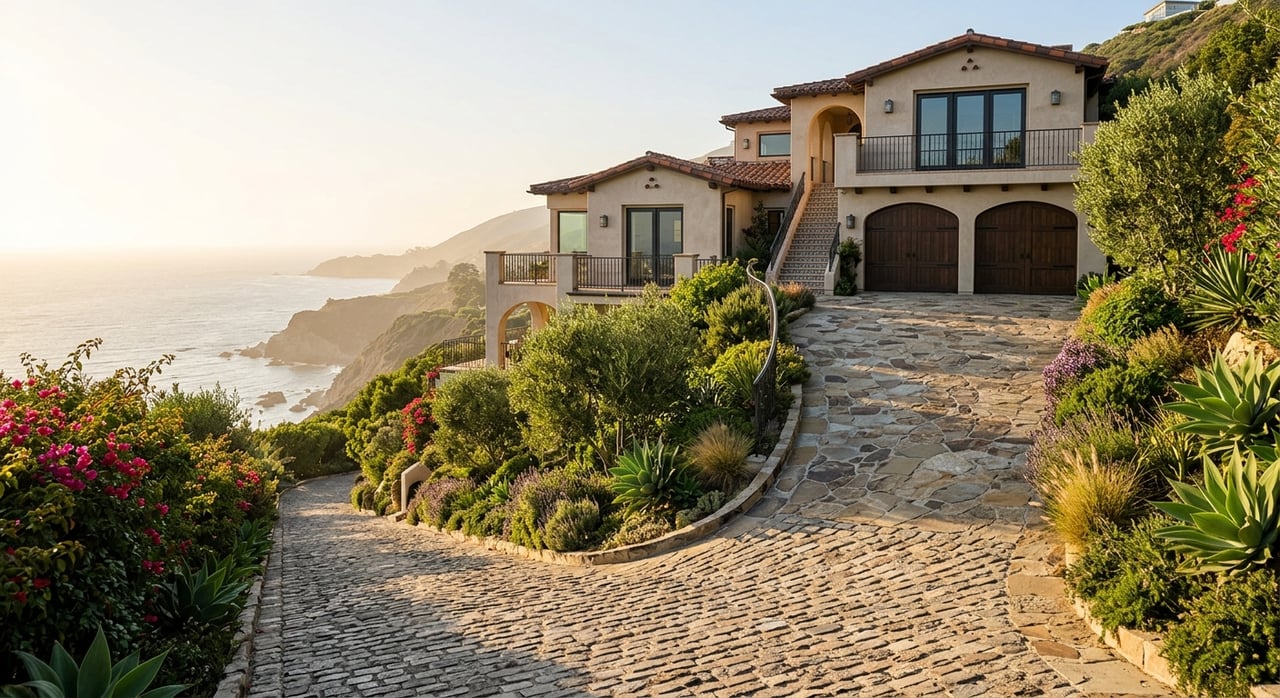
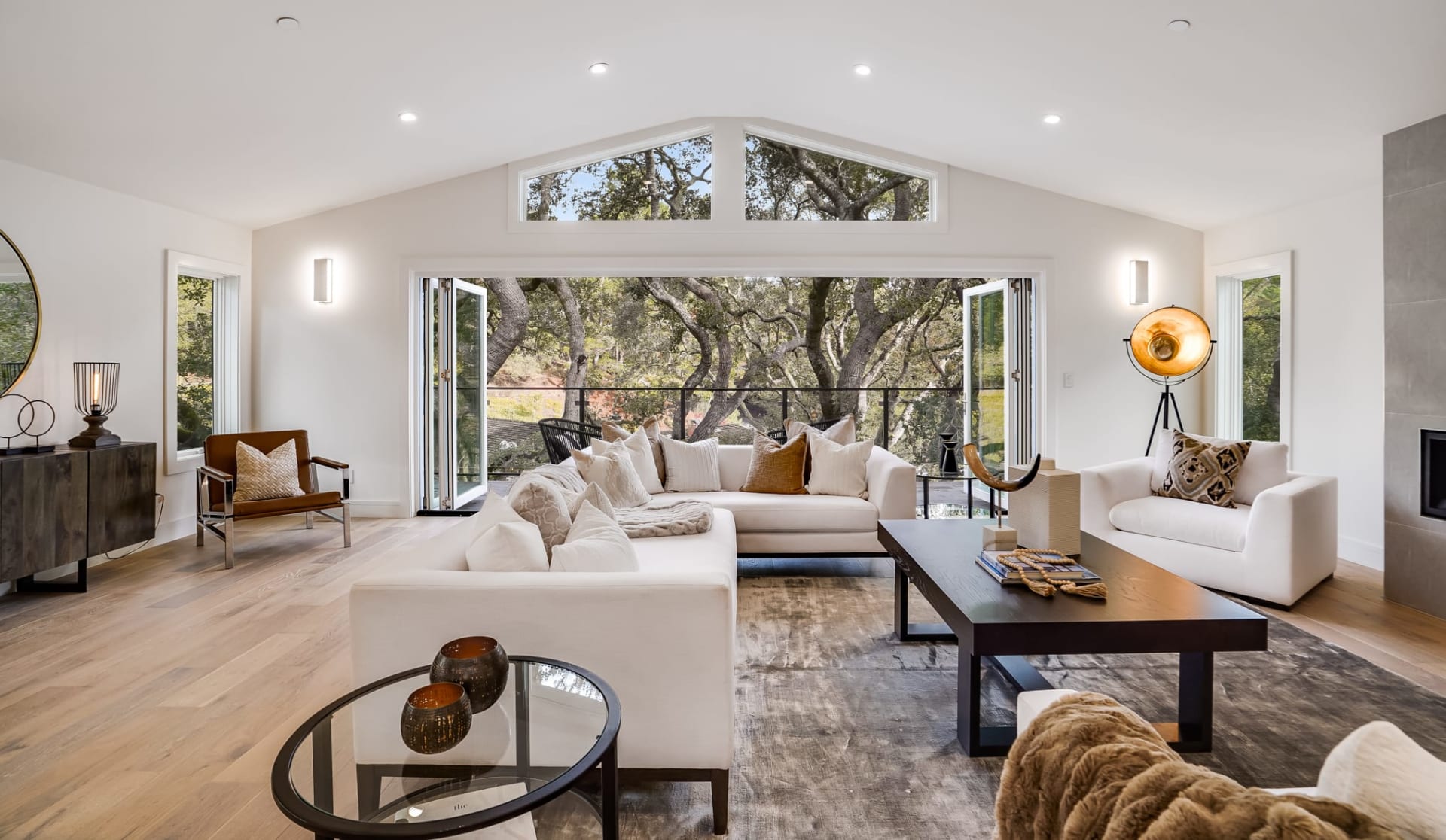
Hillside streets, including Top of the World, Arch Beach Heights, and Bluebird Canyon pockets, often deliver panoramic ocean, coastline, and city-lights views. You may also catch sunrise light over the Saddleback range. Larger setbacks and elevation usually mean more privacy and quieter evenings.
You’ll likely drive more for groceries, galleries, and the beach. Streets can be steep, and parking is typically on-property. On the upside, trail networks and parks are close at hand. Top of the World residents, for example, enjoy quick access to ridge trails and Alta Laguna Park.
Hillside homes rely on slope-smart design. Expect stepped foundations, retaining walls, split levels, and sometimes elevators. Substantial work on a steep lot often triggers geotechnical reviews and hillside design standards. Budget for slope, drainage, and retaining-wall maintenance over time. The municipal code outlines hillside protections and submittal expectations. See hillside development standards for context.
Wildfire risk is a central consideration. Much of Laguna Beach sits in or near Very High Fire Hazard Severity Zones, and the city runs fuel-modification programs and home-hardening guidance. This can affect insurance availability and costs and introduces routine vegetation management for many ridge properties. Review wildfire mitigation programs to understand expectations.
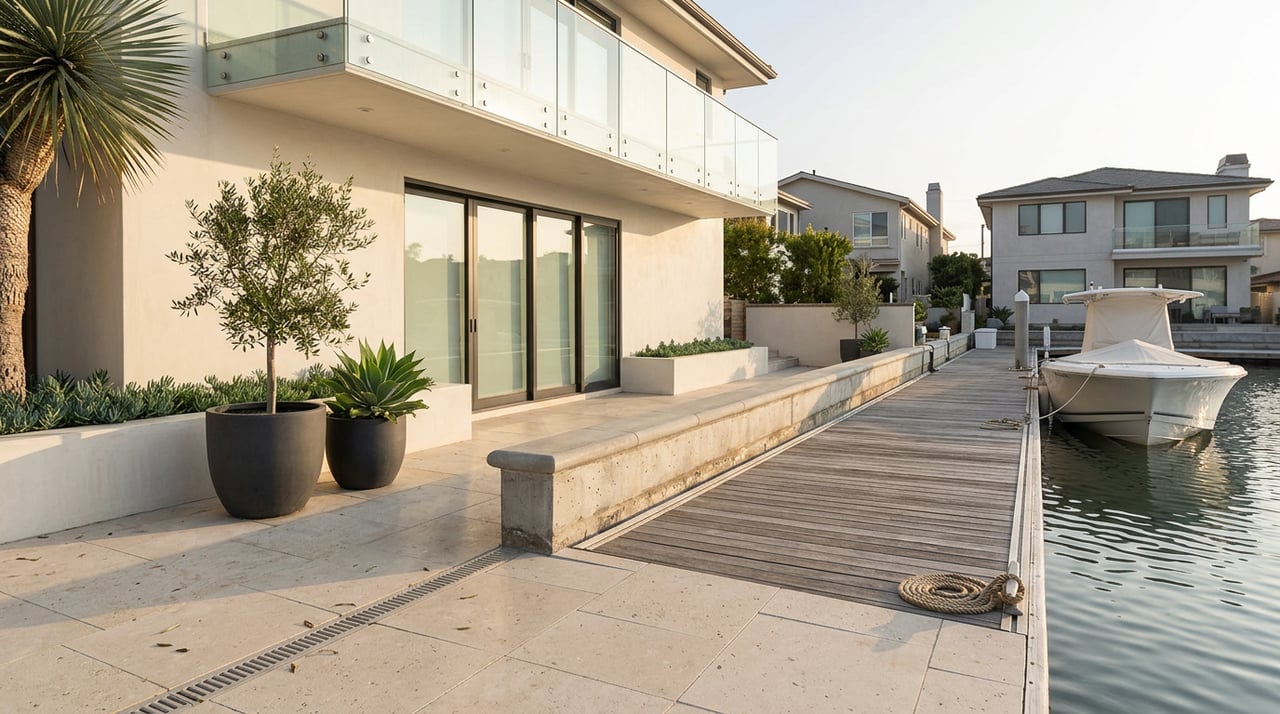
If your ideal day starts with a beach walk and ends with dinner and a gallery stroll, village-adjacent streets near Main Beach, Heisler Park, and the Ocean–Forest–Broadway corridors are compelling. You get quick access to restaurants, shops, and community events. For a feel of the scene, this destination overview highlights the lifestyle that draws visitors and residents alike. Explore Laguna Beach’s walkable appeal.
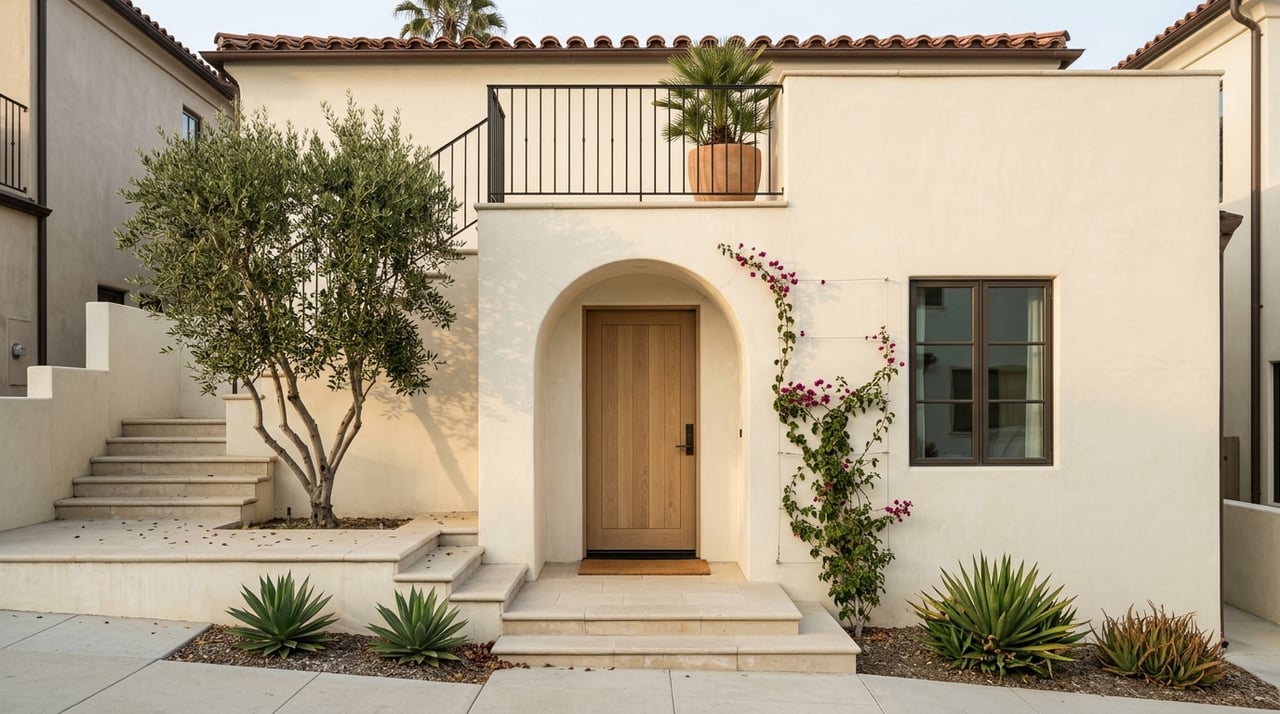
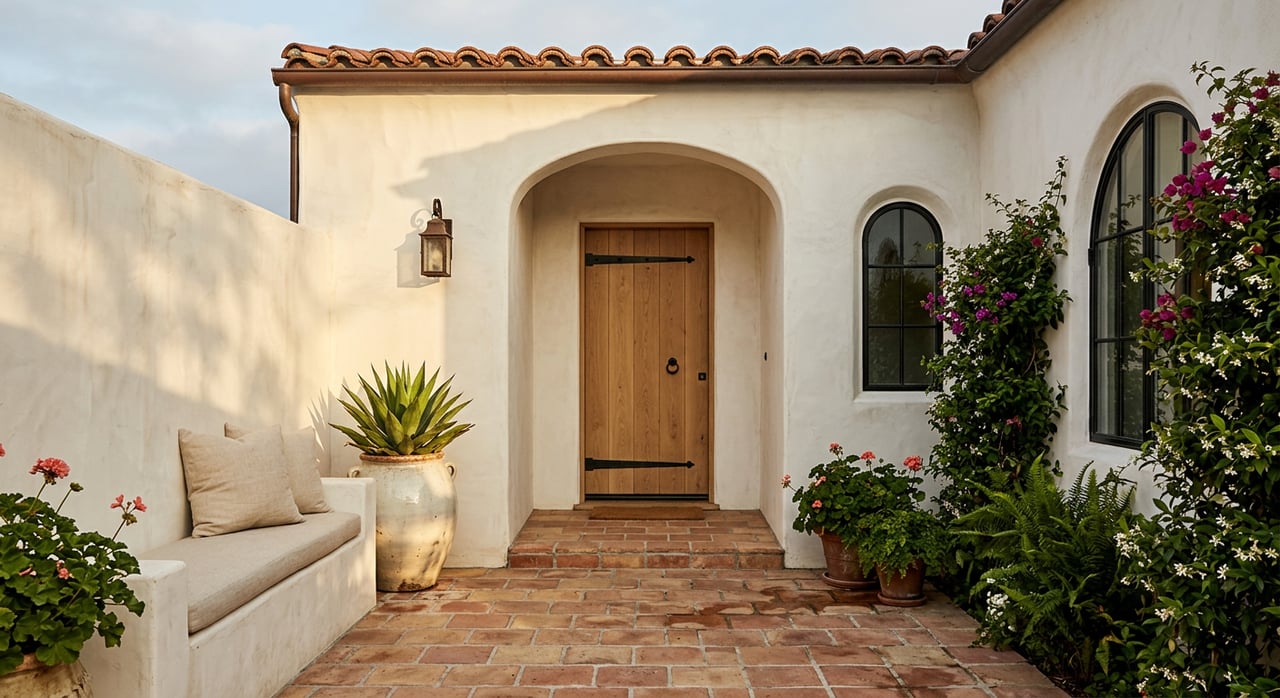
You’ll see a mix of beach cottages, Spanish Revival homes, contemporary rebuilds, and some low-rise condos and townhomes. Many properties favor location and access over large lots or garages. Maintenance can be more straightforward than on steep slopes, though salt air and coastal moisture still call for attentive exterior care.
Parking is tighter near downtown, and some streets have resident or metered parking. The tradeoff is being able to leave the car at home for dining, parks, and the beach.
Coastal proximity increases exposure to flood and wave runup in some locations. The National Flood Insurance Program’s Risk Rating 2.0 now prices premiums using property-level factors, so costs vary by address and elevation. If you are considering a beach-adjacent home, run an early flood check and request an elevation certificate. Learn how Risk Rating 2.0 works.
Laguna Beach limits short-term rentals to specific zones and uses a permitting and cap system. If rental income is part of your plan, confirm eligibility before you model returns or write an offer. Review the city’s short-term lodging rules to understand the zoning and permit requirements.
Views move markets. Academic research shows that water views can carry measurable premiums. Reported “view premiums” vary widely, from single-digit percentages to multiple tens of percent, depending on the quality and certainty of the view and the comparables. In simple terms, an unobstructed panoramic vista often commands a meaningful price bump over a similar home without it. See an overview of view-premium research.
Security of that view matters too. Laguna’s Local Coastal Program and design controls constrain height and mass, especially in the coastal zone, but they do not guarantee every view. In hillside areas, infill or a neighbor’s addition can change sightlines if permitted. In the village core, proximity to the shoreline can be more permanent, though coastal hazards and downtown-specific planning also factor in. When you tour, ask for recent permits on adjacent parcels and review local height limits for a sense of view permanence. Check the Local Coastal Program framework for the permitting context.
Insurance and mitigation
Permitting and design
Property taxes and special assessments
If you prioritize schools, parks, and a quieter residential feel: Consider Top of the World and the Alta Laguna area. You’ll get ridge views, neighborhood parks, and more traditional single-family streets.
If you want immediate beach access and a cultural core: Look near Main Beach, Heisler Park, Woods Cove, and the surrounding Village. You will trade lot size and driveway space for walkability and energy.
If you seek a trophy oceanfront or private beach experience: Three Arch Bay, Emerald Bay, and Irvine Cove are distinct, very high-price submarkets with strict HOA regimes and premium amenities.
If you’re an active outdoor buyer: Arch Beach Heights, Bluebird Canyon, and ridge-adjacent pockets offer easier access to hiking and mountain biking while staying within a short drive to downtown.
Use this step-by-step approach to turn preferences into a plan:
If you value panorama, privacy, and trail access, hillside living delivers drama and space but adds wildfire mitigation, slope-aware maintenance, and more driving. If you prefer a car-light lifestyle with beach walks, galleries, and dining at your doorstep, village-adjacent streets offer unmatched access with tighter parking and potential flood considerations. Both paths can be excellent investments when you align your lifestyle with the right due diligence.
If you want a curated short list and a clear plan for inspections, permits, and pricing, schedule a consultation with Kira Nimmer-Crabel. You will get concierge guidance, market-tested comps, and a smooth path from first tour to keys in hand.
Stay up to date on the latest real estate trends.
California Real estate specialist. With years of experience and a track record of success, we are here to exceed your expectations. Contact Kira today so she can guide you through the buying and selling process.
Get In Touch With Kira
341 Bayside Dr
Newport Beach, CA 92660