Choosing Between Village Cottages And View Homes In Corona Del Mar
March 24, 2026
March 24, 2026
Should you choose a charming Flower Street cottage where errands and beach walks are part of your day, or a hillside view home where sunsets spill across wide terraces and the city lights sparkle below? It is a great problem to have, and it comes down to how you want to live. In this guide, you will get a clear, side‑by‑side look at lifestyle, costs, and long‑term considerations in Corona del Mar’s two signature micro‑locations. You will leave with a practical checklist and the confidence to zero in on the best fit. Let’s dive in.
Corona del Mar centers on a compact, walkable core known as the Village. This includes the retail and dining strip along Pacific Coast Highway and the surrounding Flower Streets. For a helpful overview of the neighborhood’s heart and happenings, explore the Corona del Mar Chamber of Commerce community page.
The surrounding hills and terraces sit just inland and along the bluffline above Ocean Boulevard. These pockets include Harbor View Hills, Corona Highlands, Shore Cliffs, and other terrace enclaves. You stay within the same coveted coastal community, but the day‑to‑day experience shifts in meaningful ways.
If you want a true park‑once lifestyle, the Village delivers. Many addresses near East Coast Highway and the Flower Streets post very high Walk Score ratings. For example, a representative address on East Coast Highway shows a rating in the 85 to 94 range, meaning most errands can be done on foot (see an example Walk Score).
Beach time is built in. Corona del Mar State Beach, the tide pools at Little Corona, and viewpoints like Inspiration Point are short walks from the core. Get a feel for beach access by browsing this overview of Corona del Mar State Beach and Little Corona.
Up in the terraces, you trade Village walkability for privacy, space, and long ocean or canyon views. Daily errands usually require a quick drive. Representative hillside addresses often show Walk Scores in the mid‑50s to low‑70s (see a sample hillside Walk Score).
The upside is serenity. Many homes sit on larger lots with generous terraces, multi‑car garages, and layouts designed to frame Catalina and coastline panoramas.
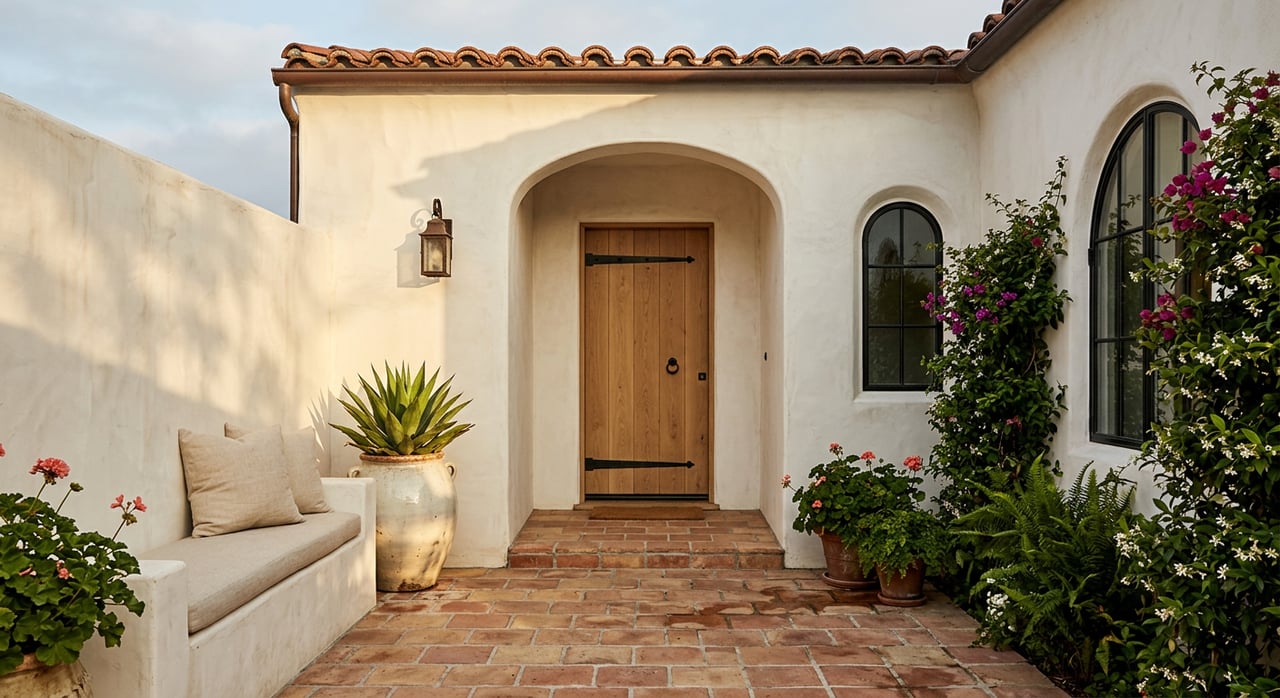
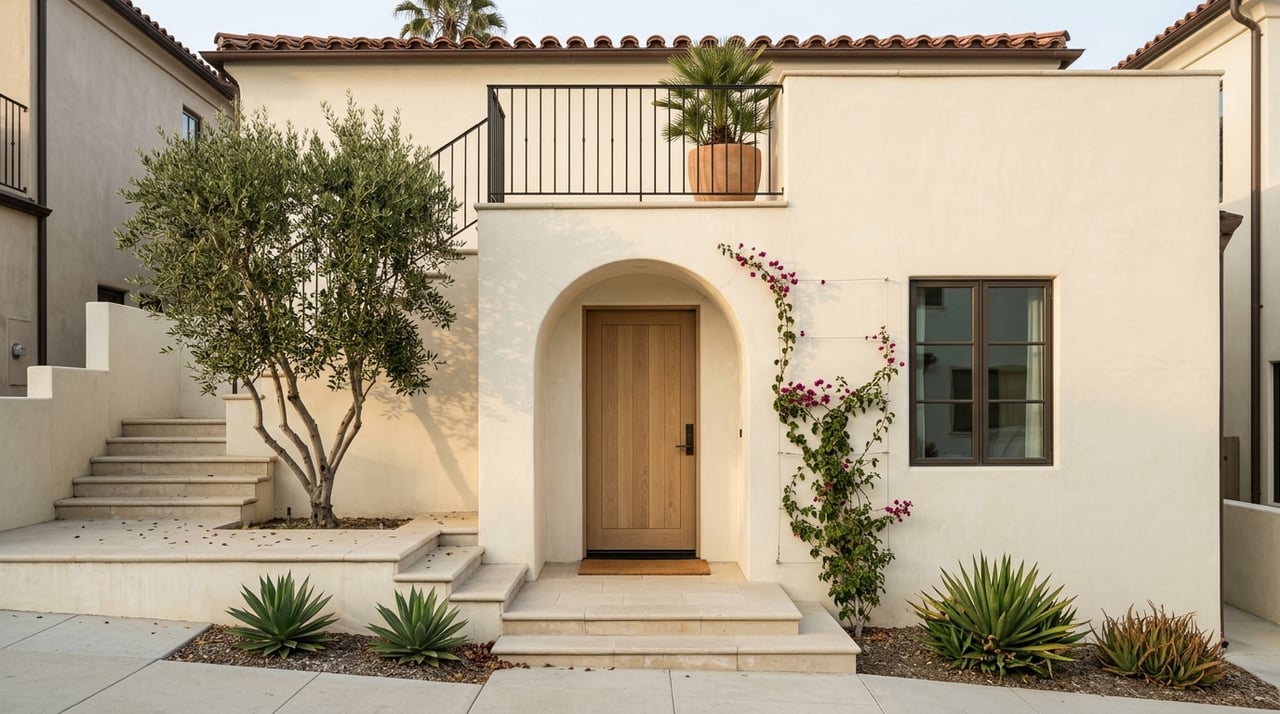
On the Flower Streets, you will see single‑family bungalows and mid‑century cottages alongside newer, contemporary infill. Closer to Pacific Coast Highway, you will find two‑ and three‑story townhomes and condos. Typical sizes range from sub‑1,000‑square‑foot condos to roughly 1,500 to 2,500‑square‑foot cottages and townhomes.
Expect compact outdoor spaces. Front porches, small courtyards, and occasional rooftop decks are common. Many streets are narrow, so on‑street parking and shared driveways are part of the Village routine. If you are eyeing a condo or townhome, plan for HOA dues, shared maintenance, and rules that shape rentals and common‑area use.
Pricing varies by block, size, and condition. Smaller Village condos often ask in the low‑ to mid‑millions, while larger single‑family cottages commonly list in the mid‑$3 million to $6 million range. Citywide snapshots show a sale‑price metric around $3.11 million per Redfin and an average value near $3.9 million per Zillow. Treat these as broad context and verify current figures before you write an offer.
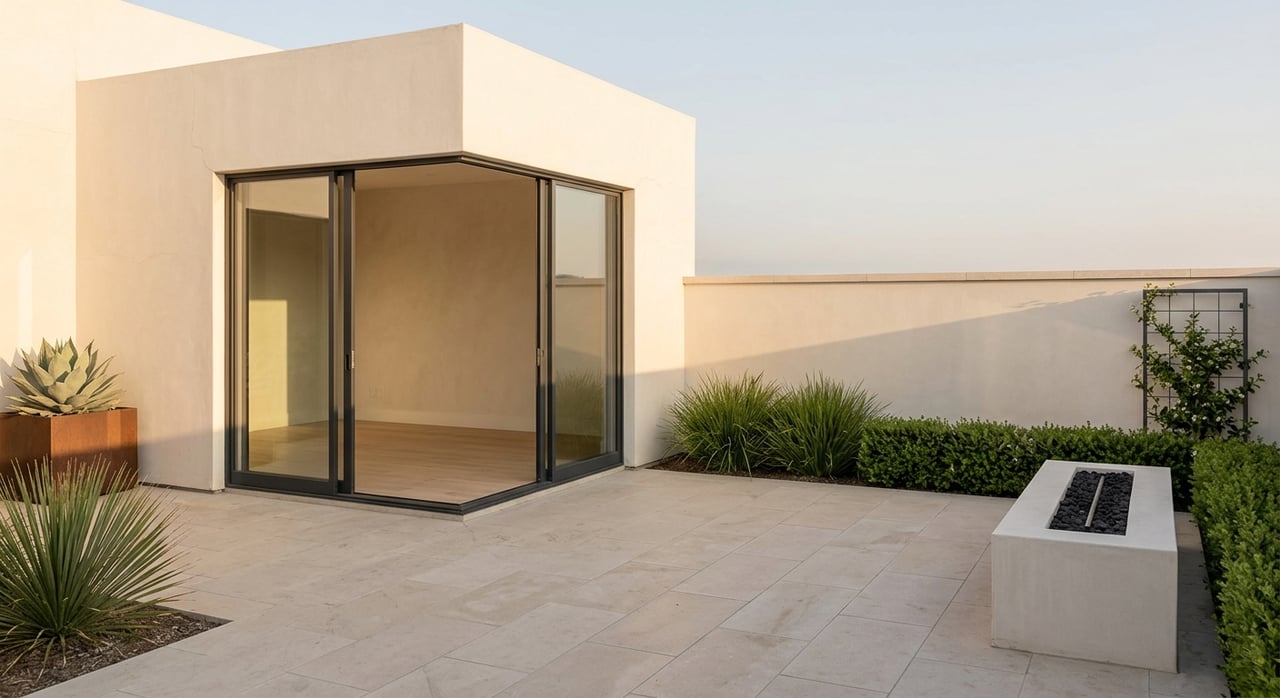
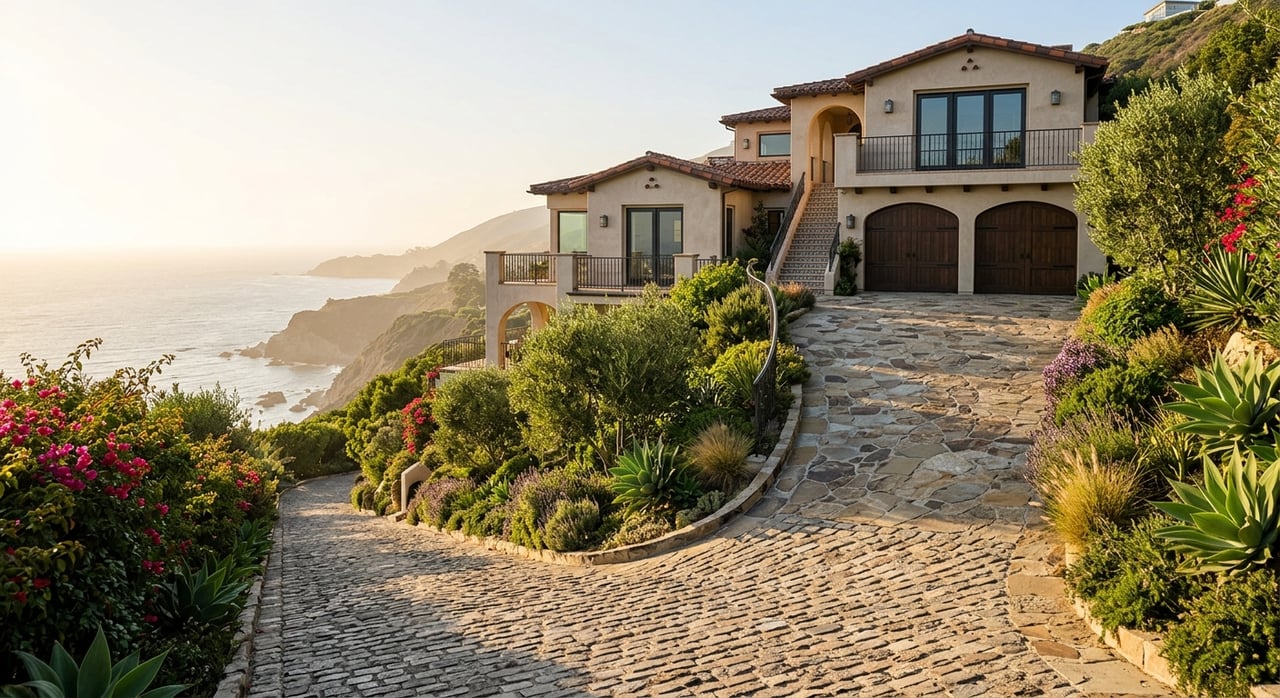
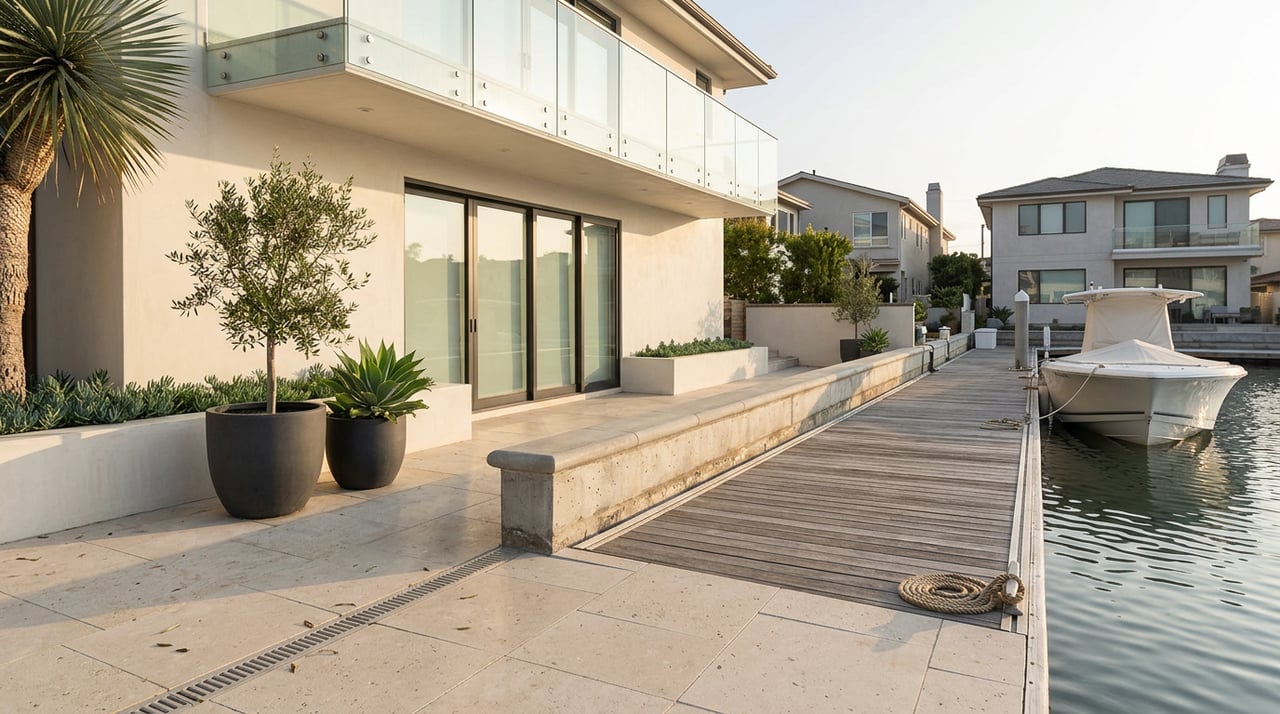
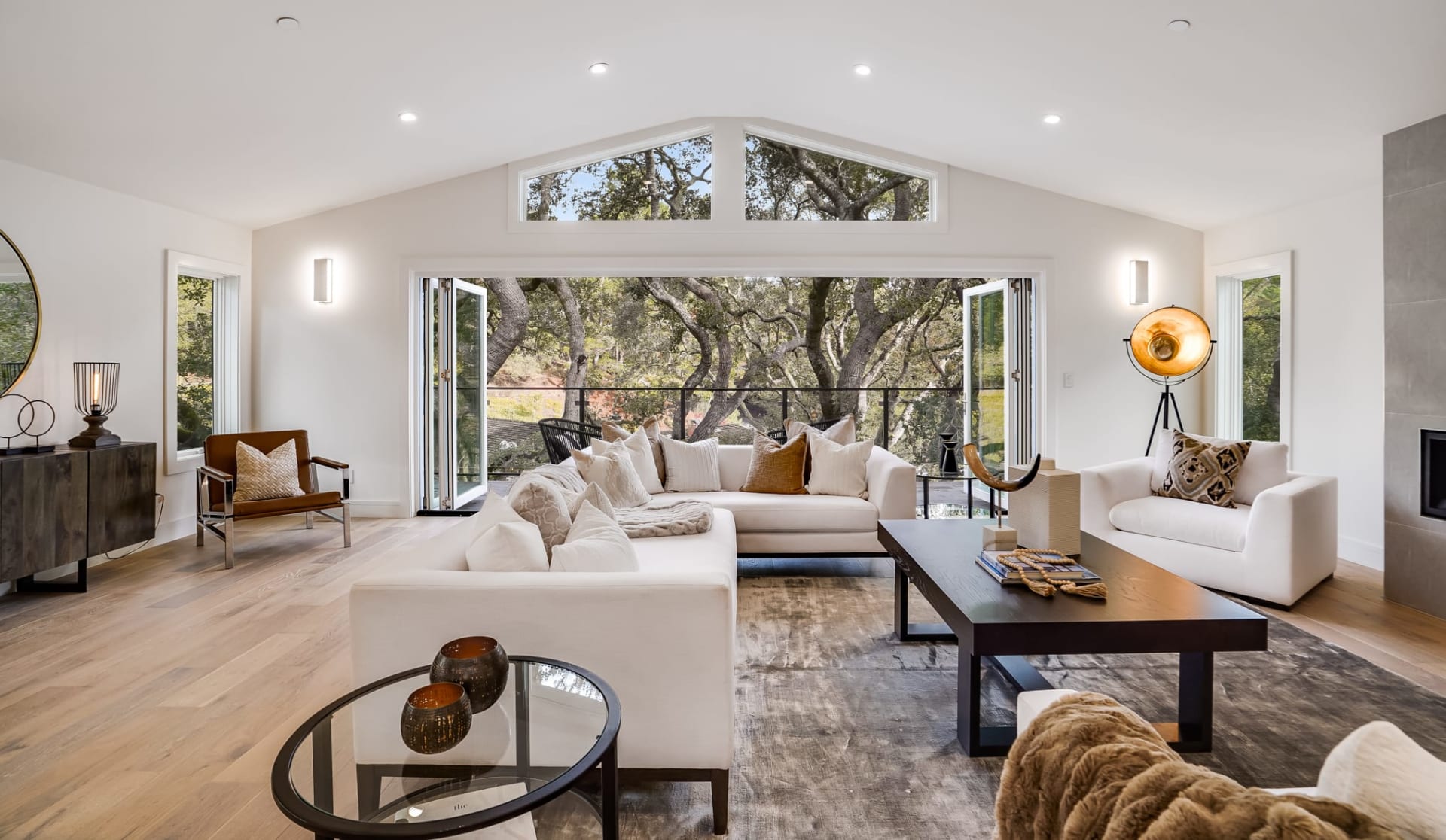
In the hills and along the bluffs, you will encounter multi‑level custom builds, modern estates, and canyon‑facing homes that emphasize glass, terraces, and outdoor entertaining. Lots are typically wider with more usable outdoor area than most Village parcels. Common features include multi‑car garages, guest suites, elevators in larger homes, and private pool courts.
At the very high end, bluff‑row and select gated‑access enclaves can command ultra‑luxury pricing. Larger scale also brings higher maintenance and insurance considerations. For bluff‑edge and oceanfront parcels, factor in specialized coastal permitting and geotechnical history when planning any remodel or expansion, which I cover below.
Bluff‑front or oceanside projects face a higher regulatory bar than inland cottages. Substantial additions or new construction on bluff properties often require Coastal Development Permit findings along with wave uprush and sea‑level‑rise analysis under Newport Beach’s Local Coastal Program. Before planning a project, review the City’s guidance in the Local Coastal Program appendix on sea‑level rise.
Hillside and bluff parcels commonly have geotechnical reports, slope stabilization features, and private retaining structures. Ask early for any prior engineering and geotech documentation so you can understand obligations and long‑term maintenance.
Coastal and low‑lying parcels may require flood insurance or carry special lender conditions. Newport Beach maintains links to FEMA tools and local hazard planning. Start with the City’s FEMA flood map resources, then obtain an official determination from the FEMA Map Service Center. If a property is near the shoreline or on a bluff, ask the seller for any elevation certificates or recent studies.
Use this quick framework to compare your shortlist across the Village and the hills:
Choose the Village if you value quick coffee runs, easy dining, and sandy feet at sunset. You sacrifice yard size and some privacy, but you gain a social, car‑light rhythm and steady beach access.
Choose the hills if you prioritize privacy, indoor‑outdoor entertaining, and signature vistas. Expect more driving for daily errands and added due diligence for coastal or hillside engineering.
Your best choice will be clear once you match lifestyle to property type and confirm any permitting or hazard requirements. If you are ready to tour both micro‑locations, build a carry‑cost comparison, or vet a bluff‑side remodel plan, connect with a local expert who merges market data with a concierge approach. Schedule a consultation with Kira Nimmer-Crabel to create a tailored strategy for your Corona del Mar search.
Stay up to date on the latest real estate trends.
California Real estate specialist. With years of experience and a track record of success, we are here to exceed your expectations. Contact Kira today so she can guide you through the buying and selling process.
Get In Touch With Kira
341 Bayside Dr
Newport Beach, CA 92660