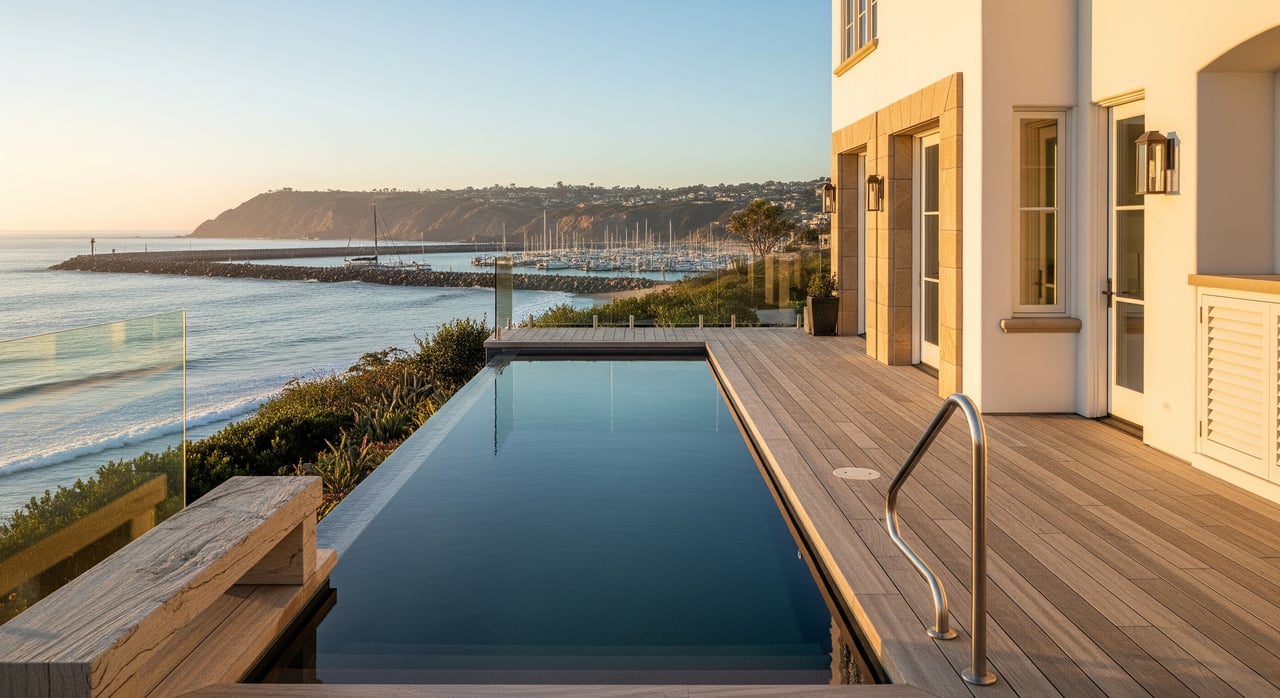
Real Costs of Owning Oceanfront in Dana Point
December 11, 2025
December 11, 2025
Owning oceanfront in Dana Point is a dream. The views, the salt air, the walk-to-beach lifestyle are unmatched. But the same coastline that makes it special also introduces unique costs and rules. If you want the beauty without surprise expenses, you need a clear, practical plan. In this guide, you’ll learn what to budget, how to verify costs before you buy, and which long-term risks matter most. Let’s dive in.
Dana Point is a high-value coastal market in South Orange County. Oceanfront homes are scarce and clustered in neighborhoods like The Strand, Monarch Beach, and around the harbor. You pay for direct beach access, unobstructed views, and privacy, which push prices above inland Dana Point homes.
Location on the shoreline also affects risk. Bluff-top properties face bluff retreat. Beachfront homes see wave action and storm surge. Harbor-front homes bring different wind, wave, and dock maintenance considerations. These factors influence pricing today and the long-term cost to own.
Beyond your purchase price, you should plan for standard California closing costs such as escrow fees, title insurance, and lender fees. Ask your escrow officer about any county documentary fees and whether your lender will require an escrow account for insurance.
Oceanfront due diligence is more involved. You will likely order specialized inspections and reports to understand geological conditions, structural integrity, and any easements that affect value.
Specialized reporting can run from a few thousand to several thousands of dollars depending on scope. Budget early so you can move decisively during escrow.
Owning on the water shifts your annual budget. Property taxes, insurance, HOA dues, and maintenance all play a role.
California’s base property tax is typically about 1 percent of the assessed value under Prop 13, plus voter-approved local assessments. A sale generally triggers reassessment to market value, which will reset your tax bill. To see the parcel’s exact rate and current assessments, review the records with the Orange County Assessor.
Insurance availability and pricing can change as carriers reassess coastal risk. Refresh quotes before you remove contingencies and again before each policy renewal.
Many oceanfront enclaves sit within HOAs that fund common-area insurance, beach access, and shoreline structures. Dues can be significant. HOAs may also levy special assessments for seawall work, bluff stabilization, or emergency repairs. Ask for the HOA budget and reserve study to understand likely assessments over time.
Salt air accelerates wear. Metal fasteners, window hardware, railings, and HVAC equipment corrode faster. Exterior paint, siding, decking, and roof materials often require more frequent renewal than inland homes. A conservative guideline is to reserve more than a typical home for upkeep. Many owners set aside 2 to 4 percent of property value each year for maintenance, then add an extra coastal reserve for corrosion and exterior refresh cycles.
Water, sewer, and stormwater fees are usually similar to the rest of the city, though some locations may have added assessments. If your home includes a private dock or sits on the harbor, add periodic marine inspections and potential piling replacement to your plan.
The coastline is dynamic. Understanding long-term risks helps you budget and make smart permitting decisions.
Erosion, storm damage, and bluff retreat can lead to expensive stabilization or armoring projects. These require engineering, permits, environmental review, and often long timelines. The California Coastal Commission regulates shoreline armoring and typically limits new permanent structures to specific circumstances. That can restrict your options or require alternatives. Costs for significant projects can reach into the hundreds of thousands depending on site conditions and mitigation requirements.
Rising sea levels and stronger storms are expected to increase coastal flooding and shoreline change over coming decades. This can affect insurability, mortgage underwriting, and resale. For background on long-term trends, review NOAA’s sea level resources, such as Sea Level Trends. Planning ahead may include elevating utilities, floodproofing, and structural retrofits.
Coastal regulations and geologic findings can limit rebuild rights after damage. In some cases, you may be required to relocate elements of the structure or accept restrictions on reconstituting the original footprint. Lenders and insurers may scrutinize properties with hazard histories and request additional documentation. Engage city planning staff early for permitting guidance. You can start with the City of Dana Point to locate Local Coastal Program resources and permit history.
Use this step-by-step approach to build a realistic budget before you buy.
Add these components to see your annual total. Revisit the numbers each year as insurance, assessments, and maintenance needs change.
Oceanfront homes often enjoy strong long-term demand because of their rarity and lifestyle appeal. At the same time, they can be more sensitive to shifts in insurance availability, permitting policy, or storm events. Transparent disclosure is required in California, so documented hazards will be part of your resale story.
Lenders may adjust requirements or decline loans on properties with active erosion or uncertain rebuild potential. Early geotechnical work, strong insurance documentation, and clear HOA plans for shoreline maintenance can preserve financing options and widen your buyer pool.
The real costs of Dana Point oceanfront ownership span more than a mortgage and a tax bill. You should plan for higher insurance, elevated maintenance, and the possibility of shoreline-related projects and permitting. With the right due diligence and a conservative budget, you can enjoy the coastline while protecting your investment.
If you want a tailored cost model for a specific address, connect with a local expert who can assemble the right team and documentation. For concierge guidance on Dana Point oceanfront acquisitions and sales, schedule a conversation with Kira Nimmer-Crabel.
Stay up to date on the latest real estate trends.







California Real estate specialist. With years of experience and a track record of success, we are here to exceed your expectations. Contact Kira today so she can guide you through the buying and selling process.
Get In Touch With Kira

341 Bayside Dr
Newport Beach, CA 92660