Choosing between a condo and a house in San Clemente often comes down to lifestyle, budget, and how hands-on you want to be with your home. You might love the idea of walking to the beach and dinner, or you may want privacy, a yard, and room to grow. Both paths can work well here, as long as you know the tradeoffs. In this guide, you will learn how costs, financing, rules, and coastal risks compare in San Clemente, plus practical checklists to help you decide with confidence. Let’s dive in.
San Clemente market at a glance
San Clemente is a small coastal city with limited land and strong demand for beach living. Condos tend to cluster near downtown, the Pier, and walkable areas with shops and restaurants. Single‑family homes are more common inland and on the hills, where many properties offer larger lots and broader views.
Condos often carry a lower entry price than single‑family homes in the same metro, mainly due to size and shared land. In San Clemente, the discount varies by how close you are to the beach, view quality, and amenities. Single‑family homes in coastal cities often retain strong long‑term demand because of land scarcity and features like yards and garages.
If you want exact, current numbers for your target neighborhoods, review the latest local MLS or market summaries from county and state Realtor associations. These sources update monthly and can help you compare days on market, inventory, and recent sale prices before you write an offer.
Costs to compare: condo vs house
When you budget, look at the full picture, not just the purchase price.
- Mortgage principal and interest. Your payment depends on price, rate, and down payment.
- Property taxes. In California, the base rate is about 1 percent of assessed value, plus local levies. Reassessment occurs at sale under Prop 13 rules. For parcel‑specific rates, consult the county’s tax offices.
- Insurance. Houses typically use an HO‑3 policy that covers the structure and liability. Condos use an HO‑6 policy for interior finishes and personal property. The HOA’s master policy covers common areas and the building shell as defined by the HOA’s declarations.
- HOA dues and assessments. Most condos have monthly dues, which can be a substantial ongoing cost. Dues may include exterior maintenance, reserves, master insurance, and sometimes utilities. Special assessments for capital projects can be significant, so it is vital to review the HOA’s financials.
- Maintenance and utilities. Houses usually require more exterior upkeep, such as roof, landscaping, and drainage. Condos shift much of the exterior responsibility to the HOA, though you still maintain your interiors.
Financing differences to know
Lenders underwrite condos more strictly than single‑family homes. Before you fall in love with a unit, ask your lender about project eligibility.
- Condo project approval. Many lenders require owner‑occupancy minimums, adequate reserves, and low litigation risk. Government‑backed loans have their own rules. You can verify eligibility through the HUD/FHA condo approval list and by reviewing Fannie Mae project standards.
- Down payment and PMI. Requirements are similar to houses for primary residences, although some second‑home and investment condos may require higher minimums. Private mortgage insurance typically applies when you put less than 20 percent down on conforming loans.
- Backup plans. If a condo project has financing hurdles, you may need a different loan program, a larger down payment, or to target a different community.
Insurance and coastal risk
Standard homeowners and condo policies do not include earthquake coverage in California. Earthquake coverage is optional for both condos and houses, and coastal buyers should evaluate the cost and benefits for their risk tolerance.
Flood risk varies by elevation and proximity to the ocean. Use the FEMA Flood Map Service Center to see if a property sits in a higher‑risk flood zone. Some beachfront and low‑lying parcels may require flood insurance.
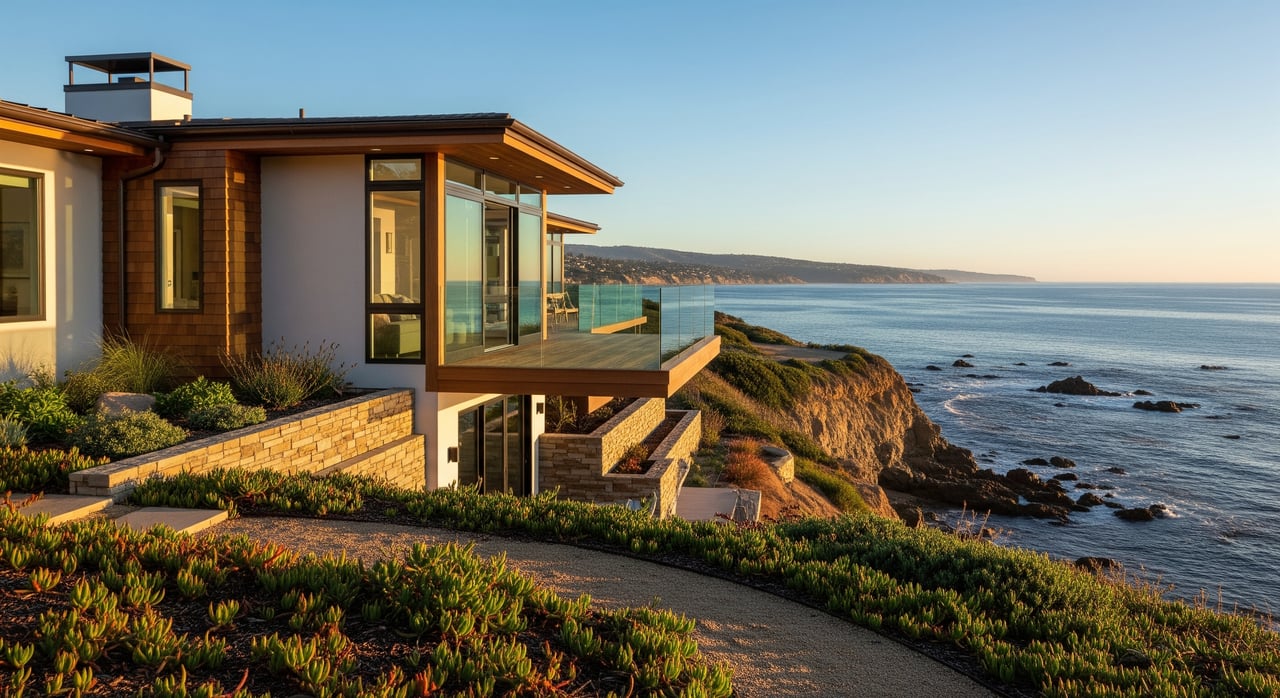
Hillside homes and bluff‑front properties deserve added scrutiny. Coastal bluffs in San Clemente can experience erosion. Properties near bluff edges or in erosion zones may have stricter permitting, geotechnical requirements, and potential limits on future improvements.
Lifestyle and location tradeoffs
- Walkability and convenience. If you want low‑maintenance living near the beach, shops, and dining, a condo near Avenida Del Mar or the Pier can be ideal. You will likely trade some private outdoor space for convenience.
- Space and privacy. If you want a yard, a private garage, and room for hobbies or pets, a single‑family home usually delivers more flexibility.
- Views and elevation. Some condos offer premium ocean views without heavy maintenance. Many houses on hillsides offer broader lot sizes and private outdoor areas.
- Commuting. Interstate 5 serves San Clemente and connects to Orange and San Diego counties. Commute times vary by your proximity to on‑ramps and to the rail stations along the coast.
- Schools and programs. School boundaries and options can influence your search. Check current district maps and program information before you decide on a neighborhood.
Space, parking, and storage
- Condos. Expect limited private outdoor areas and shared or assigned parking. Review CC&Rs for guest parking limits, storage availability, and EV charging rules.
- Houses. Most homes provide a garage, driveway parking, and yard space. You will have more storage and flexibility, along with more maintenance responsibility.
Rules, permits, and timelines
Much of San Clemente’s shoreline sits within the California Coastal Zone. Major exterior work or new development in this area may require a local coastal development permit and, in some cases, review by the California Coastal Commission. These rules affect both condos and houses, especially for renovations near the shore.
Short‑term rental rules are local and can change. If you plan to rent your property short term, confirm the current municipal code and any registration or licensing steps before you buy.
What to inspect before you buy
A careful inspection and document review can save you from surprises.
Condo buyer checklist
- Request the full HOA packet: CC&Rs, bylaws, budget, reserve study, insurance certificates, meeting minutes, rental and pet policies, special assessment history, occupancy rates, and delinquency levels.
- Confirm financing. Ask your lender about project approval and whether FHA or VA options apply to your unit. Use the HUD/FHA condo list for reference.
- Verify insurance. Understand what the master policy covers and what you need to insure with your HO‑6, including loss assessment coverage.
- Inspect carefully. Review plumbing, HVAC, windows and doors, moisture and ventilation, and the building’s exterior condition.
- Parking and storage. Verify your assigned parking, storage areas, and any EV charging rules.
- Litigation and reserves. Look for adequate reserves, recent or pending assessments, and any litigation that could affect financing or future costs.
Single‑family home buyer checklist
- Standard inspections. Order a general home inspection, termite or pest inspection, roof, HVAC, plumbing and electrical, and a sewer lateral and drainage review. Consider a geotechnical report for bluff or hillside properties.
- Permits and setbacks. Confirm lot lines, easements, and any coastal or city permits that affect improvements.
- Outdoor systems. Evaluate irrigation, drainage, and landscaping maintenance needs.
- Location fit. Consider proximity to schools and commute routes, plus noise sources like I‑5 or rail.
Quick guide for sellers
- If you are selling a condo. Highlight walkability, HOA amenities, recent capital improvements, and low‑maintenance living. Be clear about financing eligibility and provide the HOA packet early to build buyer confidence.
- If you are selling a house. Emphasize lot size, outdoor living, garage and parking, privacy, and any potential to expand or add an ADU, subject to local rules. For bluff‑front or near‑shore properties, share any geotechnical or structural reports you have.
- Pricing strategy. Use comps that match your property type and micro‑location. Avoid mixing condo comps with single‑family comps when valuing your home.
How to decide with confidence
If you prefer lock‑and‑leave living, easy access to the beach and dining, and a predictable monthly budget, a San Clemente condo may fit you well. If you value space, privacy, and long‑term flexibility for improvements, a single‑family home may be the better match.
In coastal markets like San Clemente, single‑family homes often show strong long‑term demand because of land scarcity, while condos can offer a more attainable entry point and a lower‑maintenance lifestyle. The best choice depends on your goals, financing, and appetite for maintenance. When you are ready to compare specific properties, lean on local due diligence, including coastal permitting requirements, hazard maps, HOA health, and financing eligibility.
If you want a tailored comparison based on your wish list, timelines, and budget, schedule a private consultation with Kira Nimmer‑Crabel. You will get a clear plan for San Clemente neighborhoods, property types, and next steps.
FAQs
What costs differ most between a condo and a house in San Clemente?
- Condos often have lower entry prices but add monthly HOA dues and potential special assessments, while houses have higher maintenance costs for roofs, yards, and exterior systems.
How do lenders evaluate condos compared to houses?
What coastal risks should I evaluate before buying near the beach?
Are condos or houses better investments in San Clemente?
- It depends on your goals, since single‑family homes often benefit from land scarcity while condos can offer a lower entry price and lifestyle convenience, and rental or lending rules may shape returns.
What documents should I request when buying a condo?
- Ask for the full HOA packet, including CC&Rs, bylaws, budget, reserve study, insurance, meeting minutes, rental and pet policies, special assessment history, and owner‑occupancy rates.