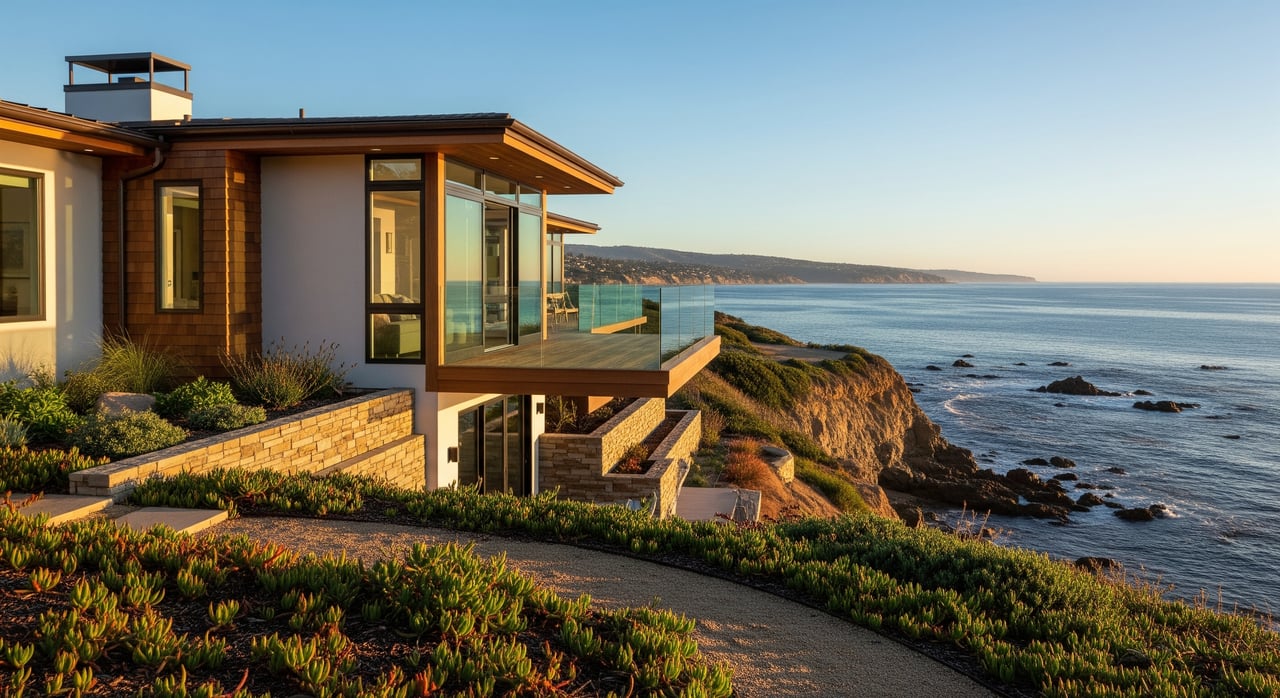
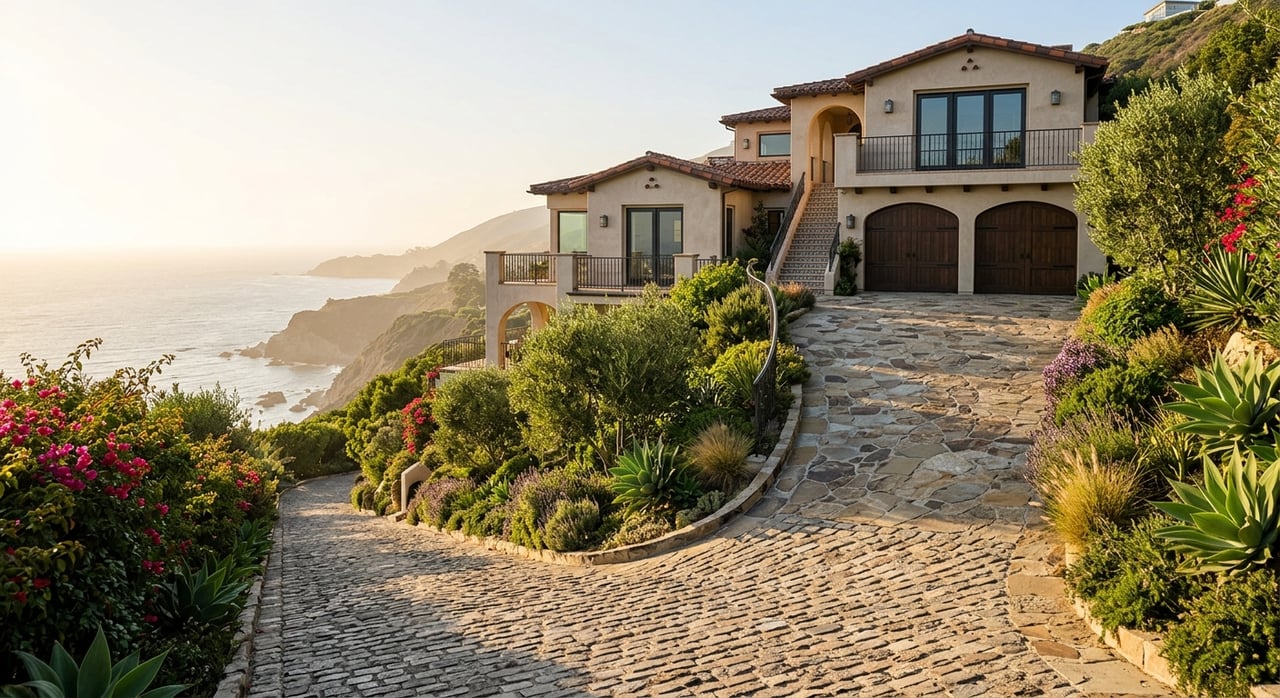
Thinking about opening up your South Laguna bluff‑top home with a fresh remodel? The view is priceless, but the bluff is alive and always changing. Setbacks are the guardrails that keep your investment safe, insurable, and compliant. In this quick guide, you’ll learn what a bluff‑top setback is, how it is determined in South Laguna, and the steps to move your project forward with confidence. Let’s dive in.
Bluff‑top setbacks, explained
Coastal bluffs erode and retreat over time due to waves, storms, groundwater, and gravity. The goal of a setback is to place structures far enough from the bluff edge to protect people and property over a structure’s design life and to avoid shoreline armoring that harms beaches and public access. You can see how bluffs change over time in USGS shoreline change studies.
State policy under the California Coastal Act requires new development to minimize hazard risks and avoid contributing to erosion or the need for seawalls. Local Coastal Programs, like Laguna Beach’s, implement these rules and guide approvals. For background, review the Coastal Commission’s coastal hazards and sea level rise overview.
South Laguna rules at a glance
- 25‑foot minimum setback. Laguna Beach’s municipal code sets a minimum 25 feet from the top of an oceanfront bluff for new buildings and additions. A building stringline may apply, and larger setbacks can be required based on site conditions and professional review. See the city’s code language on oceanfront bluffs in the municipal code.
- State standards still apply. The Coastal Commission reviews projects for consistency with the Coastal Act’s hazard and resource policies, including minimizing risk and avoiding shoreline armoring. See the Commission’s policy guidance.
- Emerging overlay concept. Laguna Beach has considered a bluff overlay district that could allow site‑specific setbacks on eligible lots, with reporting on potential criteria like erosion rates under about 0.2 feet per year. Read the local coverage of the proposal in the Los Angeles Times.
- Major remodel triggers. Large remodels on oceanfront lots can be treated like new development for permitting and geologic analysis. Local reporting describes thresholds such as structural work or expansions at or above 50 percent. See the coverage on proposed thresholds for context.
How your setback is determined
The geologic report
On South Laguna bluff‑top lots, you should expect to hire a licensed engineering geologist or geotechnical engineer. Their report evaluates bluff shape, historic retreat, slope stability, groundwater and drainage, and how your proposed work interacts with these factors. The Commission outlines what these reports typically include in its technical guidance.
Methods and design life
Many jurisdictions look to the structure’s design life, often 50 to 100 years, and forecast expected bluff retreat over that time. Analysts then add a safety buffer for slope stability and uncertainty, and confirm you meet the city’s minimums. The Commission’s hazard guidance explains the goal of setbacks and long‑term stability in its ReCAP chapter on coastal hazards.
Near‑edge do’s and don’ts
- Allowed with care: minor, non‑habitable improvements that meet setback rules, and removable, low‑impact features only when explicitly permitted.
- Restricted or prohibited: new development on the bluff face, permanent structures within calculated retreat areas, and shoreline armoring unless it meets narrow exceptions. The city’s bluff standards are in the municipal code, and recent appeals show strict scrutiny of bluff encroachments, as seen in Laguna setback appeals.
Permits, review, and timeline
Most projects involve planning and design review, building permits, and possibly a Coastal Development Permit. Local approvals in the coastal zone can be appealed to the Coastal Commission, especially if a project proposes reduced setbacks or work near the bluff. Depending on complexity and appeals, the process can take several months to a year or more, as reported in local coverage of coastal reviews.
Buyer and owner impacts
Setbacks and geologic conditions can affect financing, insurance, and resale. Properties with nonconforming work, active bluff movement, or conditions requiring removal if protection is needed may face added underwriting questions. Expect robust hazard disclosures in coastal transactions and plan for thorough documentation from your consultants.
Remodel checklist for South Laguna bluff‑edge homes
- Start with a planning counter consult. Confirm whether your lot is defined as an oceanfront bluff under code, whether your scope is a major remodel, and if a Coastal Development Permit is likely. Reference the city’s bluff standards in the municipal code.
- Engage the right experts early. Hire a licensed engineering geologist or geotechnical engineer with coastal bluff experience. See the Commission’s report guidance for typical scope.
- Map your permit path. Expect planning and design review, geotechnical review, then building permits and a CDP if required. Build in time for possible appeals.
- Design for durability. Keep loads, grading, and irrigation away from the bluff edge. Control drainage so runoff does not infiltrate the bluff top. The Commission’s hazard guidance emphasizes avoiding future armoring needs.
- Stay informed. The city posts updates on bluff movement and planning items. Track current notices on city news pages.
Bluff‑friendly design tips
- Keep structures landward of the most conservative setback recommended by your geotechnical team and required by the city.
- Consider lighter, non‑permanent elements where code allows instead of heavy additions near the edge.
- Route roof and site drainage to stable, approved locations away from the bluff.
- Avoid new irrigation or planting that increases seepage near the bluff top.
Ready to plan a safe, compliant remodel that protects your view and your value? Reach out to Kira Nimmer‑Crabel for a private consultation tailored to your South Laguna property.
FAQs
What is the minimum bluff‑top setback in Laguna Beach?
- The city sets a 25‑foot minimum from the top of an oceanfront bluff, and a building stringline or site analysis can require more distance.
How are South Laguna bluff‑top setbacks calculated for remodels?
- A licensed geologist estimates long‑term bluff retreat and slope stability over the structure’s design life, then recommends a setback that also meets city minimums.
Will my South Laguna remodel trigger a Coastal Development Permit?
- Large projects that meet major remodel thresholds or that work near bluff setbacks often require a CDP and can be subject to appeal.
Can I add stairs or a fence down the bluff from my home?
- New structures on the bluff face are heavily restricted, and many proposals for fences or stairs have been denied or limited through appeals.
How long do geotechnical studies and permits take in South Laguna?
- Expect several weeks to months for studies and city review, with total timelines extending if appeals or Commission review occur.
How do setbacks affect resale and insurance?
- Nonconforming or high‑risk conditions can complicate underwriting and disclosures, so clear documentation and compliance help preserve value.