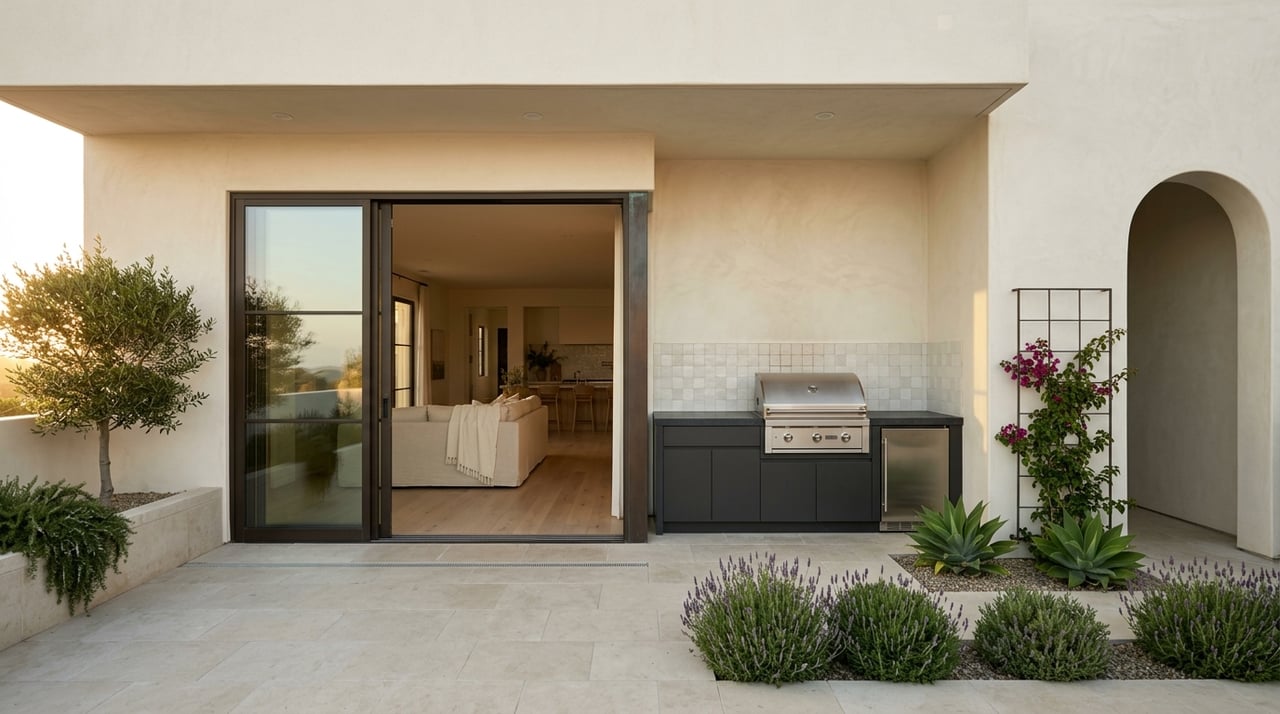
South Laguna Indoor-Outdoor Living Design Ideas
June 25, 2026
June 25, 2026
Wondering what makes a South Laguna home feel truly special? In this stretch of coastal Orange County, indoor-outdoor living is not just a design trend. It is a practical response to the climate, the topography, and the view-focused character of the area. If you are thinking about remodeling, buying, or preparing a home for sale, understanding how these spaces work in South Laguna can help you make smarter decisions. Let’s dive in.
South Laguna’s setting naturally supports a strong connection between inside and outside. Local design guidance describes the area as Mediterranean, summer-dry subtropical, and arid, with high sunshine, high solar radiation, and limited rainfall. Nearby Newport Beach Harbor climate normals support that pattern, with an annual mean temperature of 62.8 degrees, average annual precipitation of 9.43 inches, and effectively no snowfall.
For you as a homeowner or buyer, that climate creates real flexibility. Outdoor dining, shaded lounges, view decks, and open-air gathering areas can be used through much of the year. The result is a home that often feels larger, brighter, and more connected to its setting.
South Laguna is also defined by ocean views, hillsides, coves, and rocky coastal edges. Local guidance encourages design that works with slope instead of flattening it. That means the best indoor-outdoor homes here are often shaped around terraces, decks, and stepped transitions that frame the landscape rather than compete with it.
Before you think about finishes or furniture, it helps to start with the land itself. In South Laguna, slope, view orientation, and privacy all play a major role in how an indoor-outdoor plan should come together. A design that feels natural on one lot may feel out of place on another.
Homes that perform well here usually create a sequence of spaces instead of one oversized patio. You may move from a living room to a covered terrace, then to a lower deck, then to a landscape edge. That layered approach often feels more refined and more in tune with the area’s stepped, low-profile character.
Views are a defining part of the South Laguna experience, but good design is about more than adding glass. Local guidance points to ocean and hillside views as part of the area’s dominant visual character. Indoor-outdoor spaces tend to feel strongest when they frame those views thoughtfully and keep the home’s massing visually balanced.
For you, that may mean prioritizing a well-placed terrace over a larger but less integrated addition. It may also mean using stepped decks or irregular facade depths to soften bulk and create a more natural transition to the outdoors. In a view-driven neighborhood, restraint often reads as more elevated.
South Laguna’s topography is not something to fight. The city’s guidance encourages development patterns that respond to hillside conditions rather than forcing flat, oversized platforms. In practice, that often leads to outdoor areas that step with the lot.
A stepped layout can help a home feel more grounded and more connected to the land. It can also create distinct zones for dining, lounging, or quiet retreat. When these spaces are integrated well, the home feels intentional from both inside and outside.
Not every indoor-outdoor feature suits every coastal market. In South Laguna, the most successful spaces usually reflect the area’s climate-responsive and view-sensitive design language. That means the goal is not just openness. It is comfort, durability, and visual balance.
Local guidance explicitly supports outdoor living spaces, glass orientation, roof overhangs, and ventilation shaped by wind. It also recommends tools like awnings, trellises, and plantings to manage sun exposure and reduce reflectivity. These details can make an outdoor room feel usable and refined rather than exposed.
Shading matters in a bright coastal setting. South Laguna’s design guidance emphasizes climate-responsive design through shading, light colors, and the relationship between enclosed and outdoor space. A covered terrace or deep roof overhang can help you enjoy outdoor areas more comfortably during sunny parts of the day.
This kind of feature also helps visually connect indoor and outdoor rooms. Instead of feeling like an add-on, the exterior space becomes part of the home’s overall architecture. That seamless effect often feels especially important in higher-value coastal properties.
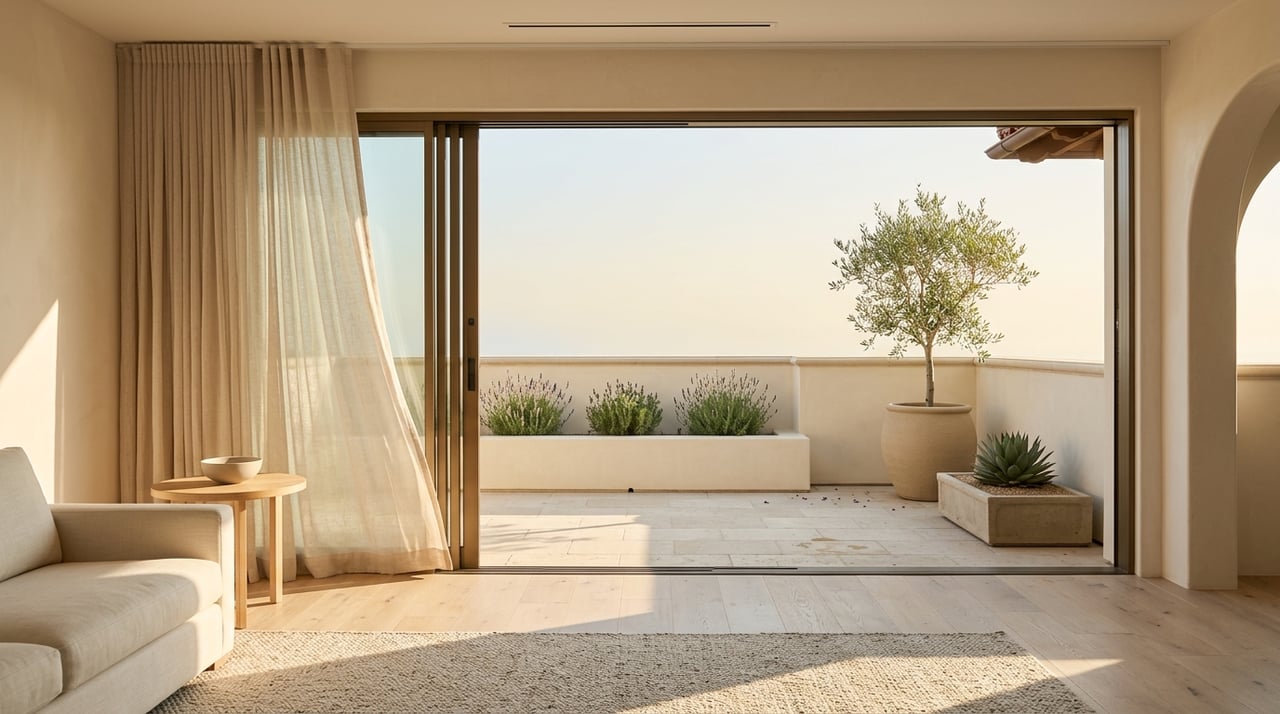
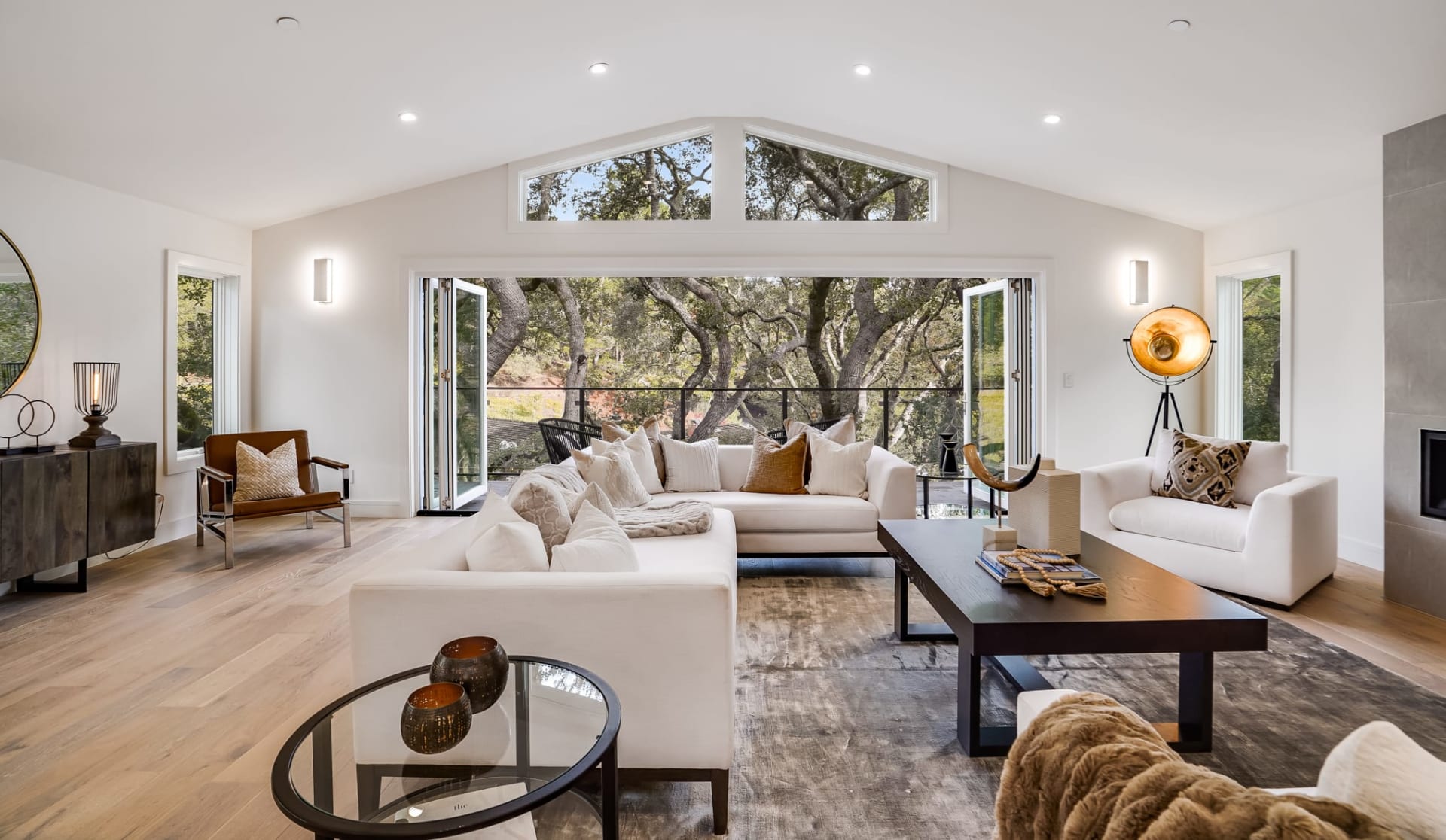
Large sliding or pocket-door systems are often a natural fit here when they support views and maintain architectural balance. The local guidance supports glass orientation and wind-oriented ventilation, which makes broad openings more than just a style choice. They can help a home feel brighter, breezier, and more connected to the outdoors.
For you, the key is integration. The opening should support how the room works, how the breeze moves, and how the transition to the terrace or deck feels underfoot. A beautiful indoor-outdoor connection usually depends on proportion and placement, not just scale.
Flat roofs may be used as roof gardens or decks where practicable, especially when visible from above. In South Laguna, these spaces tend to work best when they feel built into the architecture rather than placed on top as an afterthought. Clean lines, screened utilities, and careful attention to privacy all matter.
If you are considering an elevated outdoor area, think about the full visual impact. Mechanical equipment should not interrupt roof planes or key views, and the space should feel consistent with the home’s overall profile. In a location this scenic, simplicity often has more staying power.
A beautiful indoor-outdoor space has to hold up over time. Coastal salt spray is a real concern, and NOAA notes that it frequently leads to corrosion of building materials in coastal environments. That makes material selection especially important in South Laguna.
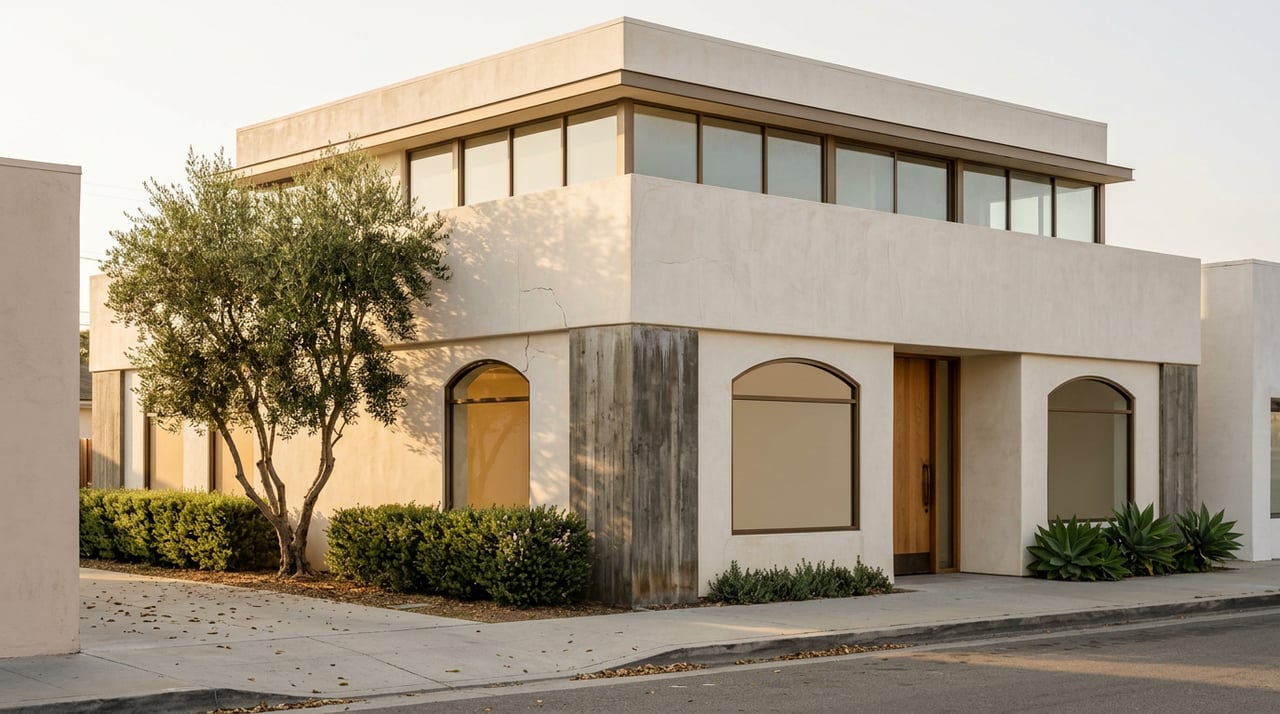
Local guidance leans toward durable, genuine materials and a more rugged coastal vocabulary. Stone, boulders, and wood detailing are specifically supported, along with a design approach rooted in function, simplicity, and natural character. For you, that means finishes should look good in the setting and stand up to marine exposure.
Reflectivity also matters in a bright environment. Light, natural color ranges are encouraged, along with minimizing glare from glass, railings, trim, and exterior fixtures. A softer palette usually feels more aligned with South Laguna’s coastal identity than highly polished or imitation finishes.
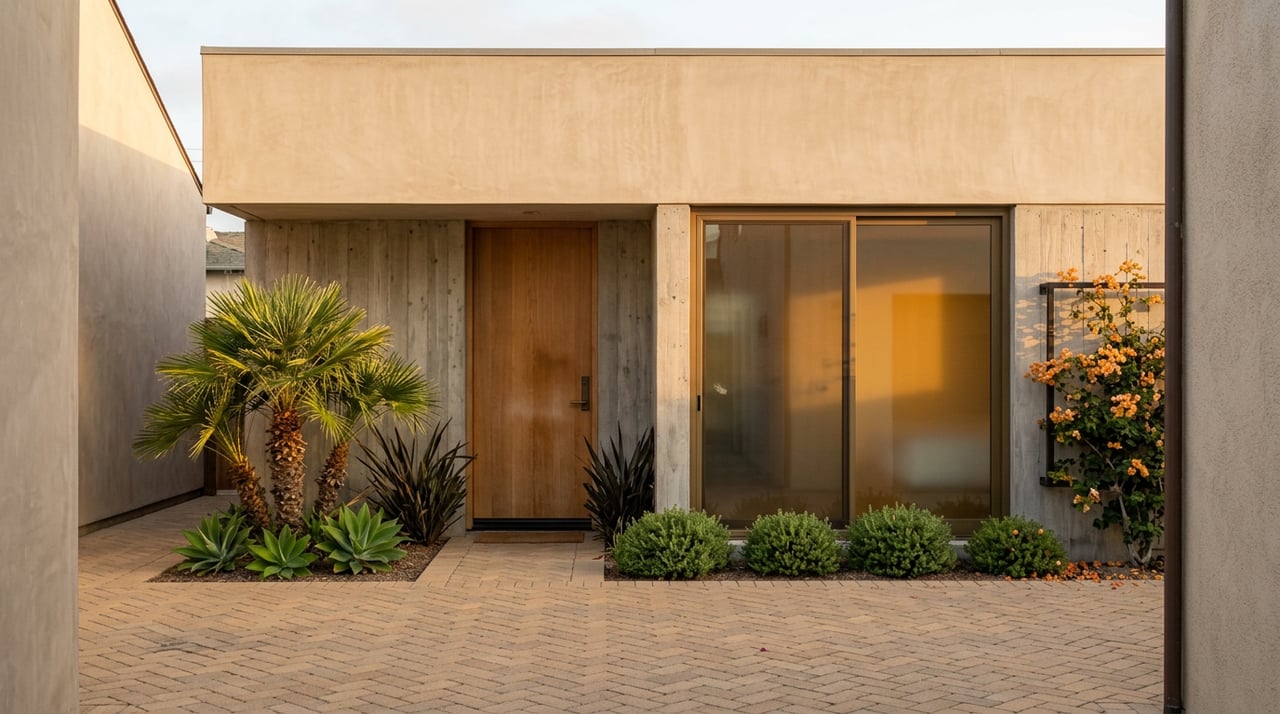
Landscape should not feel separate from the architecture. In South Laguna, local guidance favors informal, coastally adapted, drought-tolerant planting and recommends preserving native shrubs and trees where possible. The best outdoor rooms often feel softened by landscape, not boxed in by it.
For you, this can translate to lower-maintenance planting that supports the home’s architecture and setting. Larger shrubs and trees should be placed with scenic view corridors in mind. A looser, more natural planting approach often feels more appropriate here than a highly formal resort-style layout.
The city also encourages long-lived, disease-resistant, and pest-resistant species. That practical approach can help your outdoor spaces age better while still looking polished. In a coastal market, long-term durability often adds as much value as immediate visual impact.
In South Laguna, the approval path is a major part of any remodel plan. Laguna Beach requires a building permit for most construction, alteration, improvement, repair, or demolition work, including exterior work. If your project changes the exterior experience of the home, permit planning should be part of your early conversation.
The city also notes that Design Review projects often require discretionary approval before structural drawings are submitted. In addition, related applications, such as a Coastal Development Permit, are handled through the city’s online permitting process. Starting with a realistic understanding of this process can save time and stress later.
There is also an added coastal review layer to keep in mind. Laguna Beach has delegated Coastal Development Permit authority through its Local Coastal Program, but Blue Lagoon, Irvine Cove, and Three Arch Bay remain under California Coastal Commission jurisdiction. Depending on the property, that difference can be important.
For Design Review projects, the city requires early neighbor communication. That step is worth taking seriously, especially in a view-sensitive area where massing, privacy, and exterior changes can affect nearby properties. A thoughtful plan that fits the local design language may move more smoothly than one that feels oversized or out of character.
The city also notes that professional guidance may be necessary because local standards can be complex. If you are evaluating a home for purchase or preparing a remodel before selling, understanding this early can help you budget and plan more confidently.
In a market like South Laguna, buyers notice when indoor-outdoor living feels authentic to the home and the setting. Well-executed upgrades often read as more premium when they align with the neighborhood’s natural-material, view-sensitive, climate-responsive character. The goal is not to make the home louder. It is to make it more livable and more cohesive.
For sellers, that can matter in how a property is perceived from the first showing. For buyers, it can shape which homes feel timeless instead of trendy. In a luxury coastal market, the strongest design choices are often the ones that feel inevitable, as if the house and the landscape were always meant to work together.
If you are buying, selling, or considering updates in South Laguna, a thoughtful indoor-outdoor strategy can help you see the property more clearly. For tailored guidance on positioning, valuation, and what today’s coastal buyers respond to, schedule a consultation with Kira Nimmer-Crabel.
Stay up to date on the latest real estate trends.
California Real estate specialist. With years of experience and a track record of success, we are here to exceed your expectations. Contact Kira today so she can guide you through the buying and selling process.
Get In Touch With Kira
341 Bayside Dr
Newport Beach, CA 92660